


 3 articles
The ability to set traps to capture small creatures for food can be a crucial way to secure sustenance in Project Zomboid.
In this guide, we’ll show you everything you need to know about trapping animals in the game.
Trap Leveling
Only when an animal is recovered from your trap will you receive trapping experience points. The bigger an animal is, the more XP you can get.
While the trapping skill is challenging to level up, the Park Ranger occupation and the Hiker Hunter traits will grant you starter points in the skill and unlock additional XP.
 How to Fill Generator in Project ZomboidApr 5, 2023
 How to Farm in Project ZomboidApr 5, 2023
A higher trapping skill level increases the likelihood of catching animals and unlocks trap recipes.
Different Types of Trap
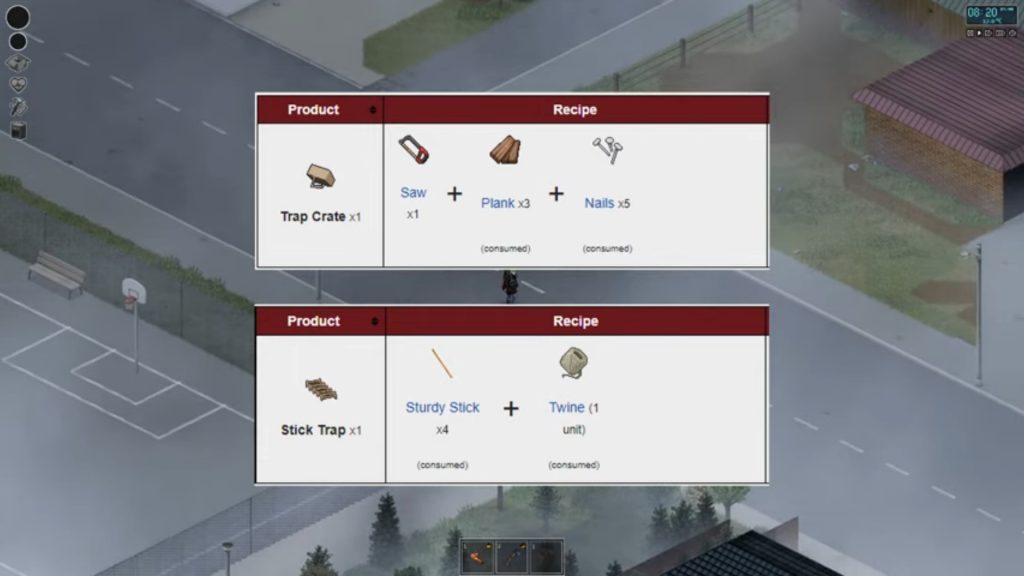
The different types of traps available in Project Zomboid are as follows:
- Mouse trap
- Stick trap
- Snare trap
- Trap box
- Trap crate
- Cage trap
The trap box can be made with +2 Trapping and +1 Carpentry, the trap crate with +3 Trapping, the stick trap with +1 Trapping, and the cage trap with +1 Trapping.
The trap crate and stick trap are automatically unlocked.
The effectiveness of your trap will determine whether the bait is lost or whether the trap is destroyed when it fails to capture an animal. It is examined each in-game hour.
Bait and Different Areas for Trapping
Only certain zones allow you to capture animals. As a result, you should carefully consider your trap type selection based on the area in which you intend to set it.
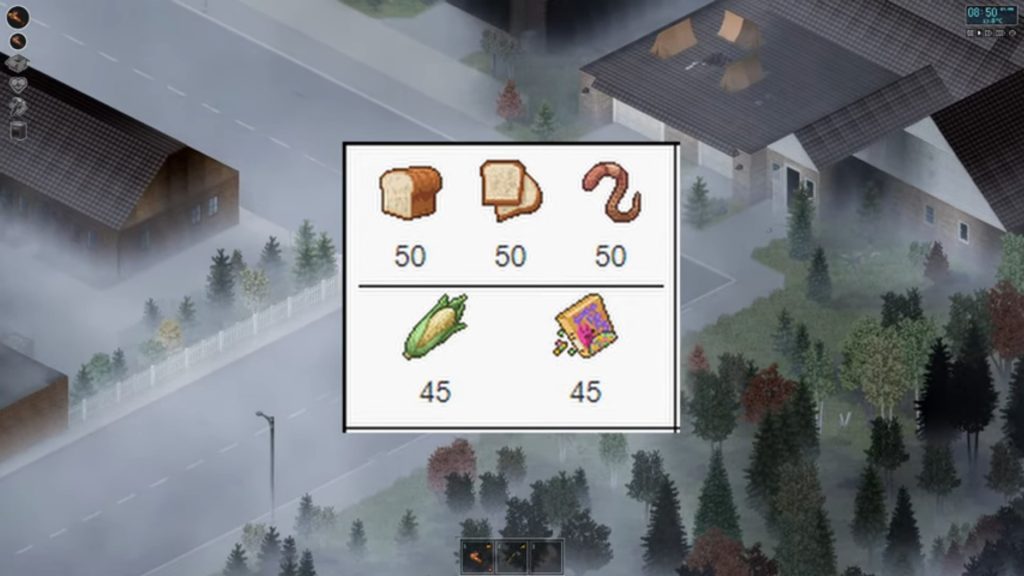
Also, you must be cautious of the type of bait you use because some creatures will only be drawn to a particular type. Here are some tips to consider:
- A food item will no longer have 5 hunger if used as bait.
- In farm zones, only the Stick Trap and Mouse Trap work.
- Mouse cheese or peanut butter traps are excellent in town, farm, and caravan park zones.
- The forest and vegetation zones are the greatest places to look for squirrels and rabbits.
- Rabbits can be caught with vegetables, tiny birds with bread and bugs, and squirrels with peanuts and cereal.
How to Make a Trap in Project Zomboid
You must have the necessary ingredients listed in a recipe to create a trap. Then, right-click one of the items from the radial menu and choose your desired trap.
To set up a trap, simply follow these steps:
- Decide on an area to set up your traps and an animal to target.
- Create a trap that will capture the prey.
- Set up a trap and add lure material to draw the intended prey.
- Move away from the trap at least 75 tiles.
- At least one game hour must pass before inspecting traps (you can check a few times daily).
- When your traps fail to capture animals, you might need to re-add bait and replace broken traps.
Moreover, you’ll need to leave the traps alone for a while so that animals can fall into them; if you stand there, the traps won’t catch the prey.
That concludes our overview of the Project Zomboid Trapping skill. With this knowledge, you should be able to set traps and capture animals, extending your time among the hordes.
ALSO READ: EA Sports PGA Tour: Road to Masters Guide | How to Get XP and Skill Points