

 19 articles
Tainted Grail: The Fall of Avalon gives players a lot of freedom when it comes to character builds. However, when it comes to one of the most powerful and enjoyable builds in the game, there’s no doubt that the Spellblade is one of them.
Just like in any other game, the Spellblade combines both melee and spellcasting into an aggressive hybrid setup that excels at dealing elemental damage and sustainability.
If you enjoy performing sword combos while weaving through spells at the same time, then this playstyle is for you. In this guide, we will be sharing with you some advice on how to play as a spellblade.
Best Spell Blade Build Guide in Tainted Grail: Fall of Avalon
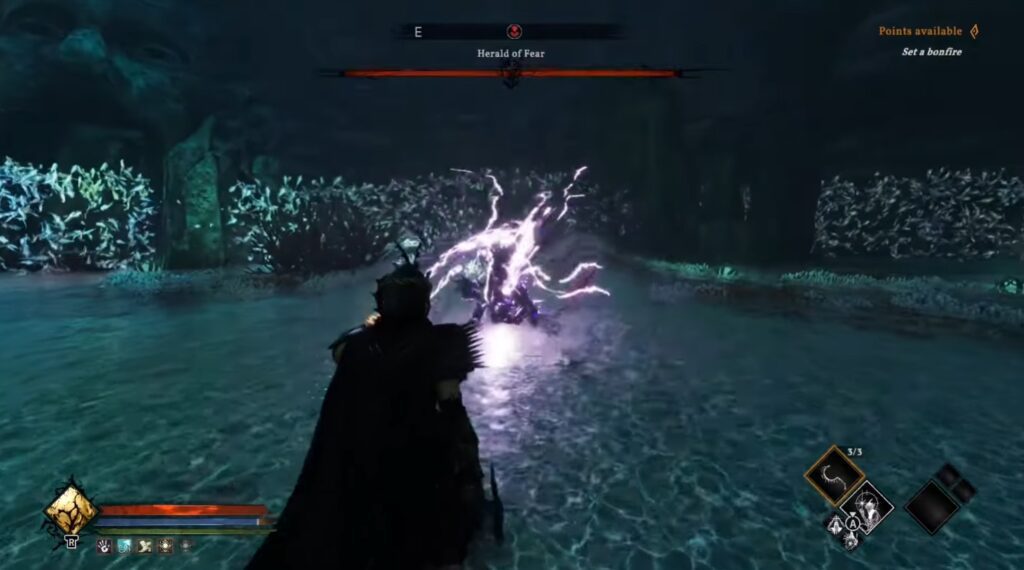
The core idea behind the spellblade playstyle is simple. You are basically going to use both physical and magical damage in every fight. This allows you to pressure enemies in close combat while using spells for crowd control and elemental damage.
 Best XP & Gold Farm in Tainted Grail The Fall of AvalonMay 29, 2025
 Tainted Grail – How To Unlock the SECRET Red Death Skill Tree (Perinde Ac Cadaver Quest)May 29, 2025
 Tainted Grail The Fall of Avalon – How To Romance Alisa Quest (Yours Forever Complete Guide)May 29, 2025
Due to this setup, you will have to find a decent balance to make both styles effective.
Instead of the typical mage build, which tends to have issues with survivability, you can stay aggressive during fights.
However, this will likely result in somewhat lower damage, at least when compared to builds that take full advantage of a single damage type or combat style.
But then again, it performs especially well on both normal and hard difficulties as it has fewer weaknesses than most pure archetypes.
Weapon Recommendations
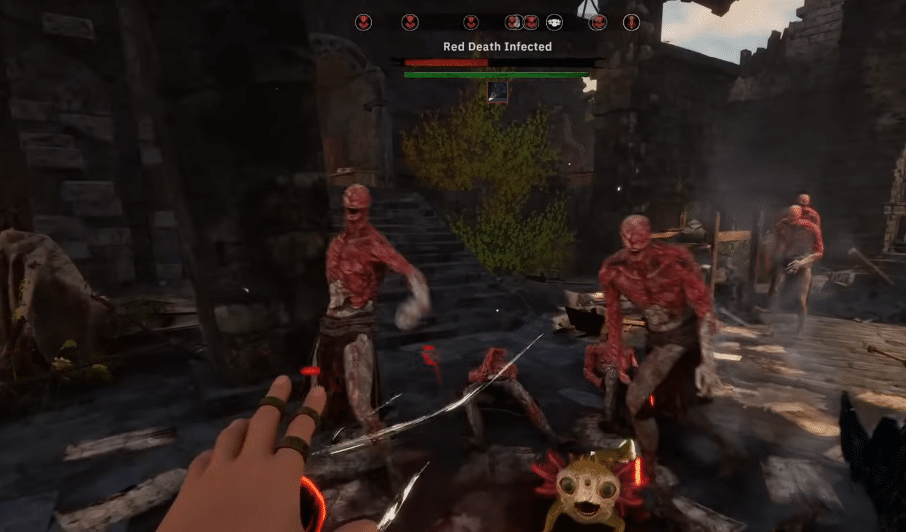
As a spellblade, your early and midgame setup will revolve around dual-wielding elemental weapons. Here are the weapons I would recommend:
- Frostblade – The Frostblade is a solid choice as it deals cold damage and has excellent synergy with elemental status effects. You can get it by defeating Nivera the Chillheart. It requires 10 Strength and 5 Spirituality to equip, and it gains bonus damage when paired with the Inferno Blade.
- Inferno Blade – The Inferno Blade, as the name suggests, deals fire damage. It deals bonus damage when paired with the Frostblade, allowing you to apply elemental pressure on your enemies when performing hits.
- Life Transfusion Spell – This spell is one of the strongest sustain spells in the game. This allows you to deal damage and restore your health at the same time. It also enables the build’s aggressive playstyle, especially during long boss fights. You can acquire it from the BloodLake, which is near one of the earlier areas you explore at the start of the game.
- Thunder Lash Spell – The Thunder Lash remains one of the best offensive spells for hybrid builds as it has strong burst damage and can chain through enemies. It works perfectly with melee combat because it lets you punish enemies, especially when they’re grouped together.
Armor and Stat Recommendations
As far as armor goes, you have plenty of choices, and you can adjust accordingly depending on whether you are lacking regeneration, health, or damage.
That said, medium armor is the sweet spot for spellblades. Heavy armor slows you down too much, while light armor sacrifices a lot of your survivability. Medium armor offers enough protection while allowing you to remain mobile and recover stamina quickly.
The best setup, in my opinion, is to mix pieces from the Royal set, Arcanist set, as well as the Queen’s Crown.
Meanwhile, you should focus on getting spell power, mana regen, magical crit chance, and stamina recovery on your gear’s stats.
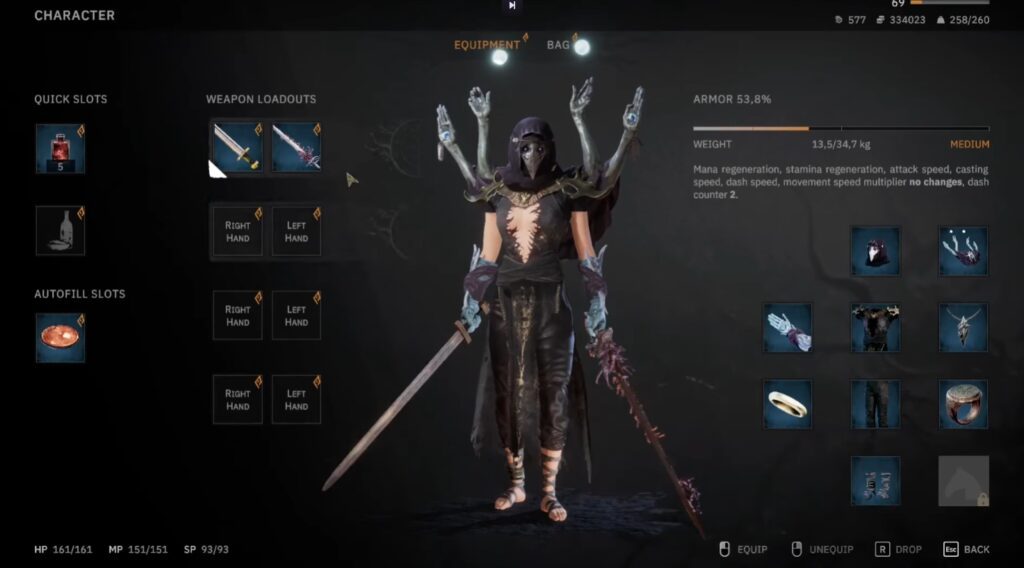
For this build in particular, you are capable of tanking some damage due to the fact that you are likely going to be regenerating a lot of health during a fight anyway.
In terms of your stats, you have to mix both Strength and Spirituality to get the best of both worlds. Unfortunately, this also means that your damage output may not be as high as you would want, but this is the only way to make a “spellblade” setup work without completely gimping one style.
You should also put a few points into Endurance to help with your survivability and encumbrance, as you are surely going to be lugging around a lot of gear and loot.
You might need a couple of points in Dexterity as well, just so you can equip certain items. In the midgame, you should be able to have high Strength and Spirituality, moderate Endurance, and minimal Dexterity investment.
Only add points into Dexterity (or other stats) to meet the stat requirements for certain armor pieces.
Best Skills to Prioritize

For your skills, you can find almost everything you need on the Strength and Spirituality skill trees. Ideally, you want to focus on increasing your damage with both spells and one-handed weapons.
In particular, consider looking into the following skill nodes:
- Agile Fighter (Strength) – This node gives you 20% bonus damage with one handed weapons. This will increase your damage output with both of your swords.
- Godly Physique (Strength) – This just gives you a flat 25% damage bonus with melee weapons when it is maxed out.
- Unending Assault (Strength) – When maxed out, this node will give you up to 15% damage after stacking consecutive hits on a single enemy.
- Strikes of Luck (Strength) – This works the same way as the previous skill node, but it increases your critical strike chance rather than damage. Again, it is perfect for bosses and single enemies that have a lot of health.
- Symmetric Combat (Strength) – It increases your attack speed by a decent amount if you are using two weapons of the same type.
- Mana Battery (Spirituality) – When maxed out, this skill node will give you a ton of max mana. This will allow you to spam spells at your leisure, as you will very likely never run out due to your innate mana regeneration and the fact that you will be swinging swords around most of the time.
- Eldritch Desperation (Spirituality) – This node increases your spell power by up to double the amount if you are below a certain mana threshold. Perfect for burst damage when you start spamming spells in between regular combat.
- Arcane Teachings (Spirituality) – This increases your spell power by a decent amount, especially when the node is completely maxed out.
- Elemental Infusion (Spirituality) – Finally, this node can be considered once you can start applying various status effects on enemies.
As for the other skill nodes, you are free to experiment with what you think will work best with your personal play style, or if you notice anything lacking in your damage output or survivability.
Tips for Playing a Spellblade Build

The Spellblade build works best when you constantly switch between melee and spellcasting playstyles. Here’s what a typical combo would look like:
- Start combat with Thunder Lash or any other spell
- Dash to get into melee range
- Apply pressure using your dual-wielded weapons
- When taking damage, use the Life Transfusion spell
- Once your stamina gets low, back away for a bit and wait for it to regen
- Repeat the process while maintaining aggressiveness
When you’re up against bosses, focus more on your mobility. Don’t overcommit to long attack chains. Focus on short, aggressive bursts instead.
That is pretty much it for this build. While a pure melee or pure mage setup can outperform a Spellblade in certain situations, it can also offer a much more versatile experience overall.
Meanwhile, if you are looking for a more powerful single-combat style setup, consider checking out our mage build guide for Tainted Grail Fall of Avalon. It’s a more amagic-focused loadout that practically dumps everything into spirituality, and maybe just a smidge of endurance.
Unfortunately, you are going to be ditching blades entirely for that one.