


 2 articles
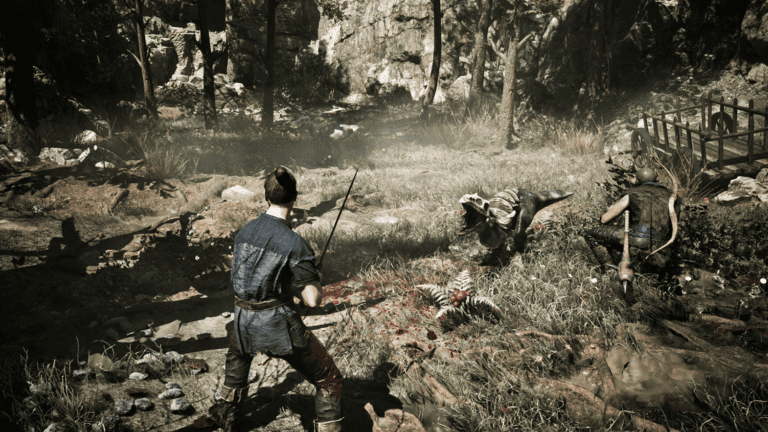
Gothic 1 Remake does not play like most modern action RPGs and the combat system is where that becomes immediately obvious. There are no simple light and heavy attack buttons. Instead the combat is directional and timing based with each weapon category feeling distinctly different in terms of swing weight and pacing.
If you jump in expecting to button mash your way through early enemies you will get punished fast. The system rewards patience and positioning above everything else. Your character starts weak on purpose and the animations visibly improve as you level up and train with combat masters. In this guide, I will break down how all of it works so you can stop dying to basic enemies and start actually enjoying the fight.
How The Combat System Works
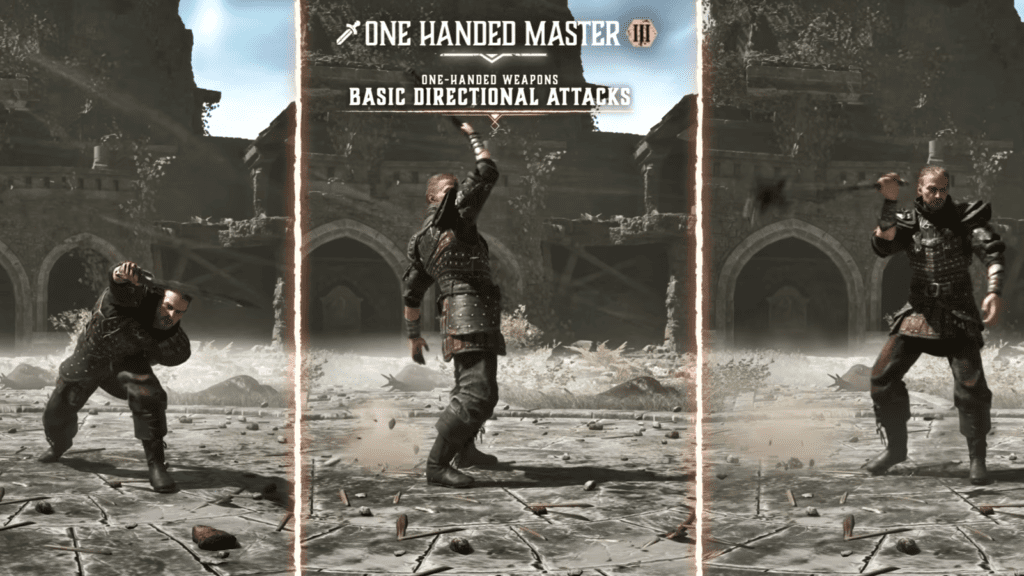
One of the most significant changes made to the combat system in the Gothic 1 Remake is how distinctly each weapon category feels to use. The original game had very little meaningful difference between weapon types within the same category but the remake has thrown that approach out entirely.
Instead of a simple one-handed and two-handed split, the game now organises weapons into dedicated categories including swords, axes, maces and polearms. Each category has its own attack animations, timing windows and combat weight.
 Gothic 1 Remake: Which Camp to Join? (Faction Guide)Jun 6, 2026
Axes hit harder but feel noticeably heavier and slower to recover from. Swords offer more balanced attack patterns that are easier to adapt to different situations. Maces bring a different rhythm altogether.
The difference is felt immediately in how your character moves and commits to each swing and the choice of weapon genuinely shapes how you approach different encounters.
New Weapon Type
The remake also introduces a completely new weapon category that did not exist in the original game. Polearms arrive with their own entirely new animation set and are built around long range poke and stab attacks.
The extended reach they provide keeps enemies at a safer distance which gives them a strong case for being one of the best early game options, particularly before your character has the mastery and stats to trade blows confidently up close.
No Stamina Bar
Unlike most modern action RPGs, Gothic 1 Remake deliberately does away with the traditional stamina bar entirely. Rather than limiting your actions through a draining resource meter, the game shifts that responsibility onto spacing and positioning instead.
How you manage your distance from enemies at any given moment is what dictates the flow of every melee engagement. Standing too close or getting caught out of position is what gets you killed rather than running out of a resource bar. This becomes especially important when you are surrounded by multiple enemies or dealing with creatures that hunt in packs.
Against a single opponent you can afford to be methodical. But against a coordinated group closing in from multiple angles, the consequences of poor positioning are immediate and unforgiving.
Combos
Landing proper combos is one of the most efficient ways to deal damage in Gothic 1 Remake and the game actively rewards you for doing so.
The animations are noticeably smoother than before and chaining attacks together into a full combo deals considerably more damage than simply mashing the attack button repeatedly. This holds true even at higher mastery levels.
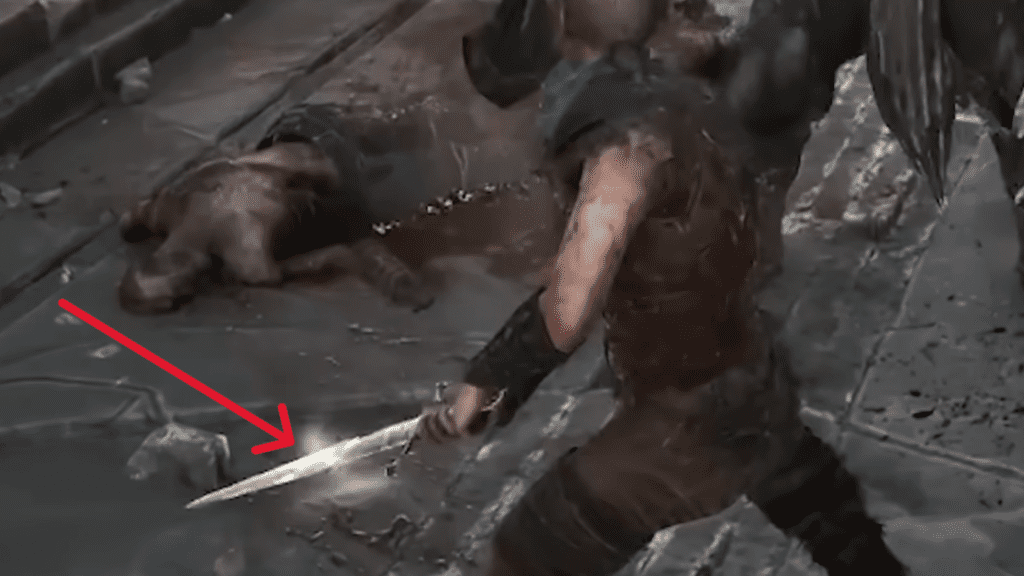
Committing to proper combo chains remains the more efficient approach throughout the entire game so it is worth building that habit early. To make the timing more accessible the game includes a subtle visual cue to help you chain attacks correctly.
A slight glow appears on your weapon at the right moment indicating exactly when to press the next attack input to continue the combo.
Combat Mastery
The mastery system works similarly to the original in that each weapon category has multiple proficiency levels to unlock. Your character starts out visibly clumsy and ineffective with any weapon at the untrained level.
Training with the appropriate faction masters and spending learning points unlocks new combo chains, finishing attacks that can knock enemies down and a new animation set for the two-handed master level which was specifically added to make high level mastery feel distinct and rewarding.
The progression is tangible and visible in how your character moves and attacks rather than being a simple numbers increase hidden behind the scenes.
Ranged Combat
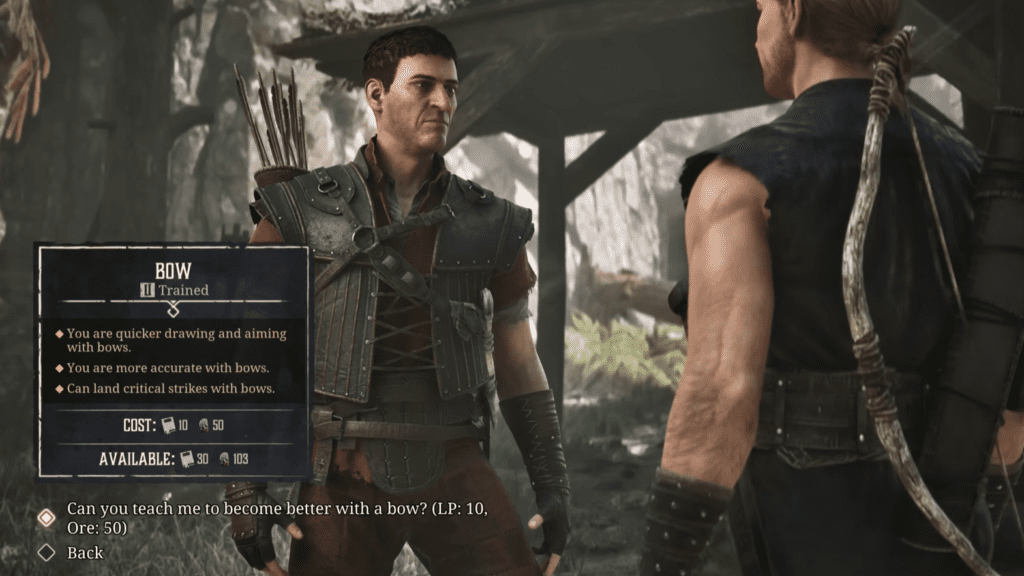
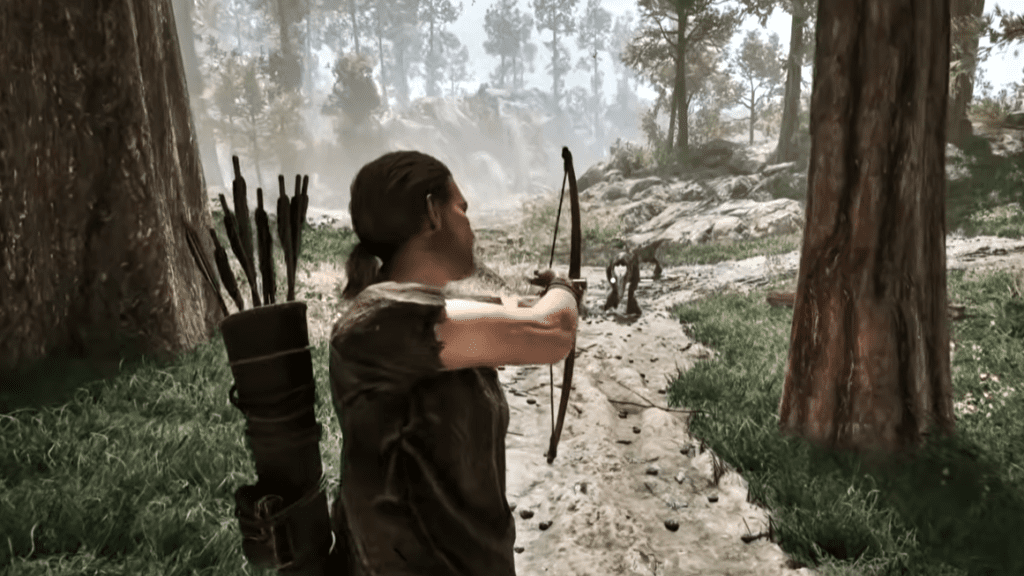
For ranged combat the game gives you two options to choose from. Bows and Crossbows. Both start out feeling relatively weak and underpowered in the early game but they improve meaningfully as you train and push your mastery level higher.
Bows have a real edge in terms of range and allow you to start damaging enemies before they even register your presence, which completely changes how you open fights especially against more dangerous targets. Crossbows on the other hand hit harder per shot but require more setup between attacks.
Where ranged combat really shines in this game is as a complement to your melee options rather than a standalone approach. The most effective use is to pepper an enemy with arrows or bolts from a safe distance as it closes in on you, chipping away at its health and softening it up before you switch to your melee weapon once it gets within striking range.
This combination of ranged pressure into melee follow-up gives you a significant advantage in most encounters and is well worth building into your combat approach regardless of your primary playstyle.
Magic Users
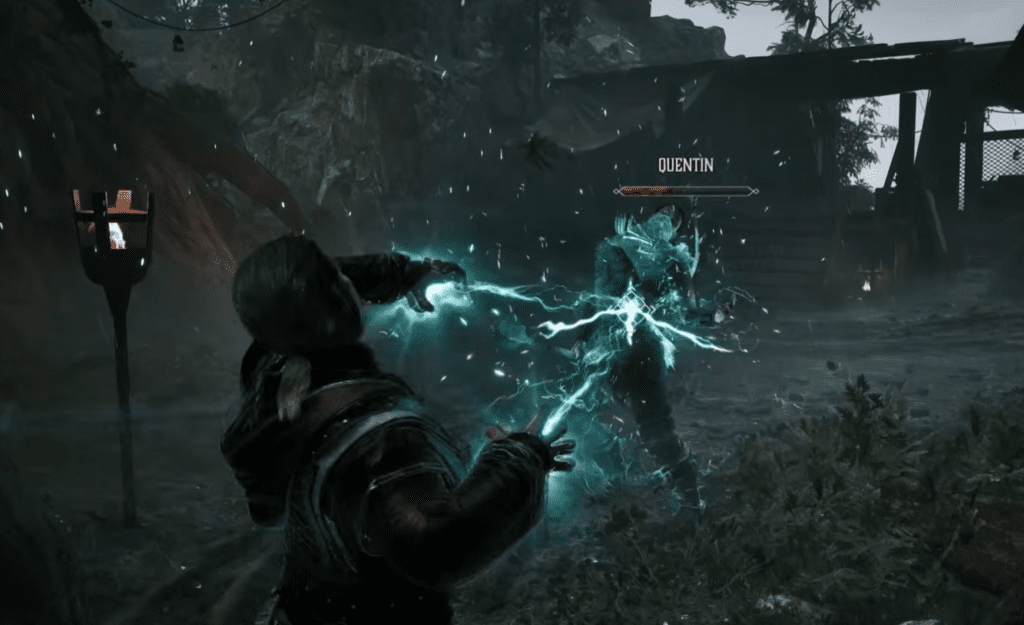
Magic has received a significant visual and mechanical overhaul in the Gothic 1 Remake and is in a very strong place. Mages have access to three distinct schools to choose from, each offering a different approach to combat.
Whether you want to freeze enemies in place, summon skeletons to fight alongside you or lean into direct offensive spellcasting, the schools offer genuine variety in how you engage with fights. Magic is channeled through runes which you learn and equip as you progress, giving you a tangible sense of your character growing more powerful over time.
On top of the magic overhaul, the remake also introduces revised survival mechanics that separate the roles of food and potions in a meaningful way. Food provides regeneration outside of combat and is your primary way of recovering health between fights. Potions on the other hand are reserved for instant healing during active combat situations.
Skill Focused Combat
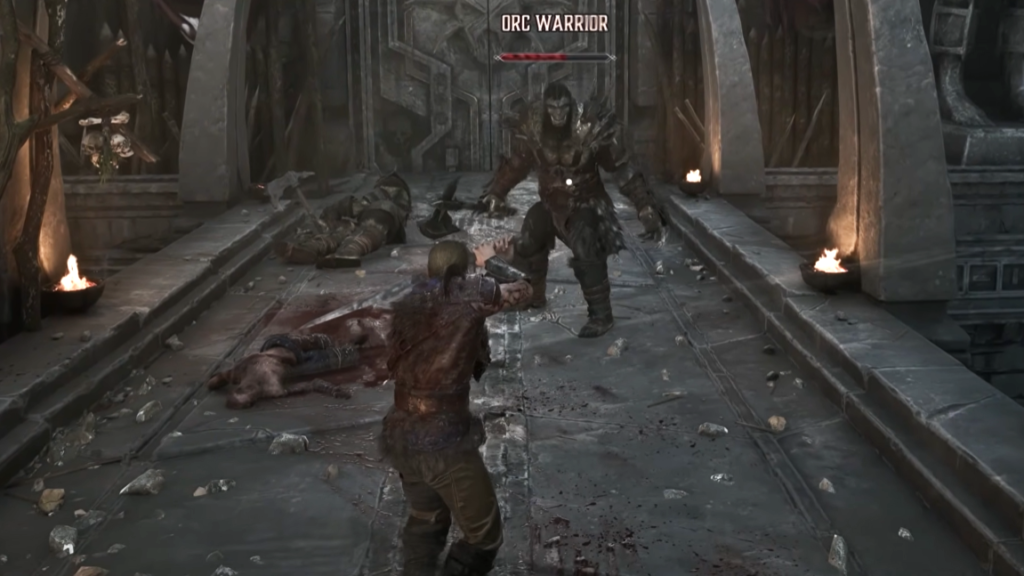
The remake places a much stronger emphasis on actual player skill than the original did. A skilled player can take down enemies well above their current level if they understand the combat fundamentals well enough. That said, it will require you to put in the time to learn their attack patterns before you can reliably get through those fights.
Enemy Types
A great deal of attention has gone into making different enemy types behave in genuinely distinct ways that force you to adapt your approach rather than applying the same strategy to everything.
For example, Tundra Wolves are smarter and more coordinated. They will attempt to surround you and attack from multiple angles simultaneously which punishes players who stand still and swing freely. Molerats on the other hand telegraph wide swings that are more predictable and attack head on making them more straightforward to read once you know what to expect.
Then there are the more powerful enemies like the Shadow Beast which has a two-hit combo set and the Adult Troll which comes with a more complex moveset and dedicated special attacks that treat the encounter more like a puzzle than a standard fight.
Wrapping Up
Gothic 1 Remake keeps everything that made the original combat special while significantly improving upon every area of it. Weapon categories now feel genuinely distinct. Enemy AI demands real pattern recognition. The whole system comes together into something that feels faithful to the original while standing comfortably on its own as a well crafted modern combat experience.
Once you have a handle on the combat, the next big decision waiting for you is which faction to join. Check out our Camp Guide to find out which one suits your playstyle best.


Found another tip?
Share your extra strategy, correction, or question below. Helpful comments can make this guide better for everyone.