


 5 articles
I don’t blame if you think the team building aspect of competitive Pokémon is a bit daunting in Pokémon Champions.
Building a competitive team works fairly differently from a standard Pokémon team, after all! The story in those games allows you to easily cruise through just picking your favorites, but PvP requires a lot more thought into who you pick!
In this guide, I’ll give you some key tips and pointers to help you assemble your teams.
Get Some Pokémon
The first and most important part of making a team of Pokémon is, obviously, to get some Pokémon! There are two main ways to do this.
 Pokémon Champions: How to FARM VP GuideApr 10, 2026
 Pokemon Champions Beginners GuideApr 10, 2026
 5 Easy Teams for Pokémon ChampionsApr 9, 2026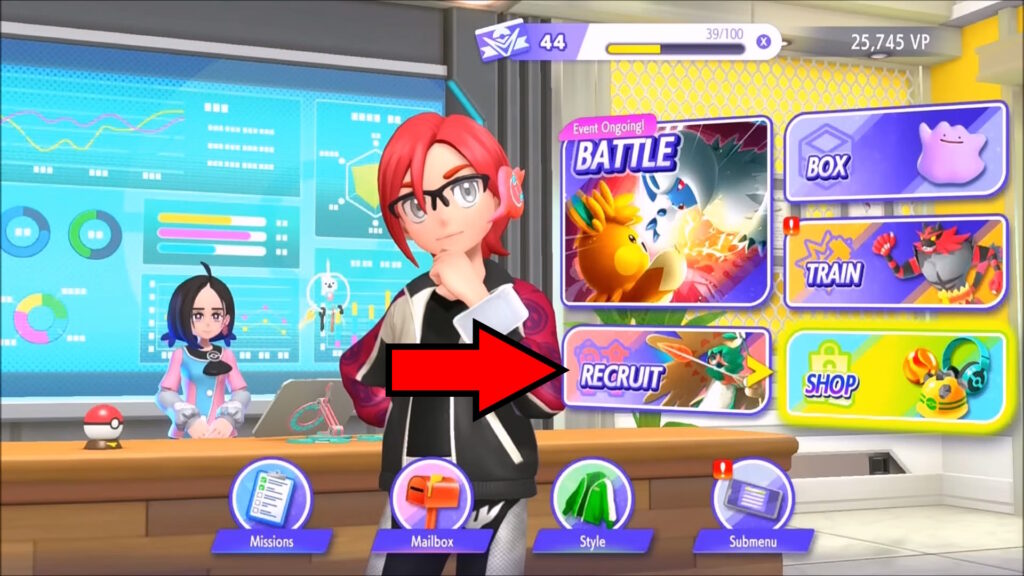
The first way is to use the Recruit feature. You can select it from the main menu whenever you wish to use it.
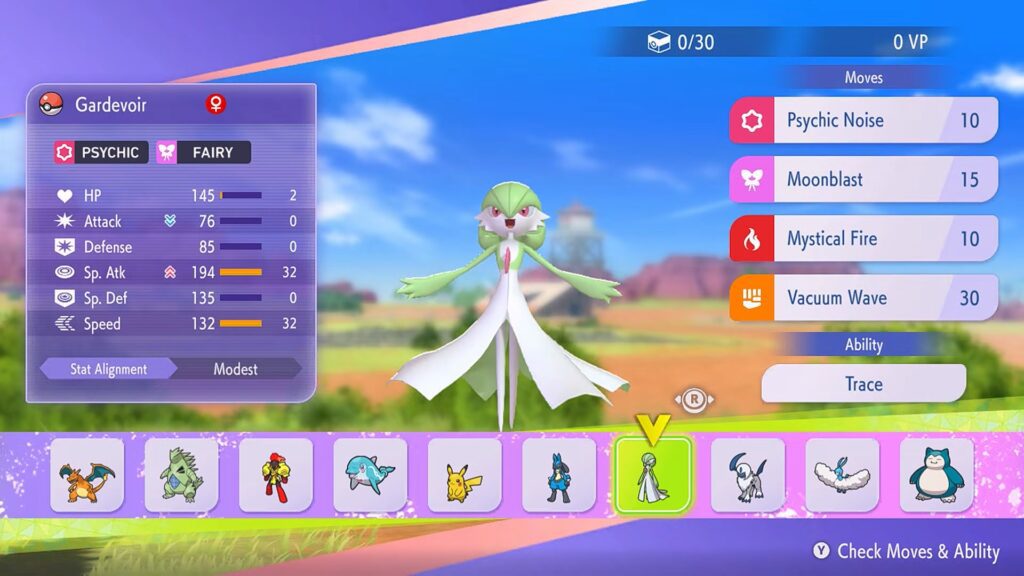
Recruit allows you to pay VP (Victory Points) earned from battle every 22 hours to get a lineup of random Pokémon. You can then opt to recruit these Pokémon either as a 7-Day Trial or Permanently by using VP or Teammate Tickets.
It’s worth noting that Trial Pokémon are more limited. You can’t use the Training feature on them to change their stats, for example. Plus, they go away once the trial period ends if you don’t make them permanent.
Nonetheless, this is a good way to quickly get some extra Pokémon. If you’re only playing Pokémon Champions, this is also your best bet.
The second way is to transfer your Pokémon via Pokémon HOME. This is a more involved process, so check out our full guide on it if you want help.
Regardless, this allows you to use Pokémon you obtained in other games, such as Scarlet & Violet or Pokémon GO! If you’ve been playing any other Pokémon games, this is the best way to set up your team in Champions.
Use either of these methods, or a combination of both, to bolster your roster and start setting up your team!
Pick a Favorite Mega or Two

The current meta in Pokémon Champions is very reliant on the use of Mega Evolution. As such, having one or two Pokémon that can Mega Evolve in your team is pretty important.
Most of the Megas currently available are decently viable, thankfully! This means that you can effectively just pick your favorite Mega Pokémon and make a team that revolves around them.
Now, with that said, I do recommend having 2 Mega Pokémon in your team. This is to give your team some versatility and make it more unpredictable.
If you only have 1 Mega, your opponent might be able to tell at a glance which is your primary threat. If you have 2, you might be able to mix them up by focusing on one or the other.
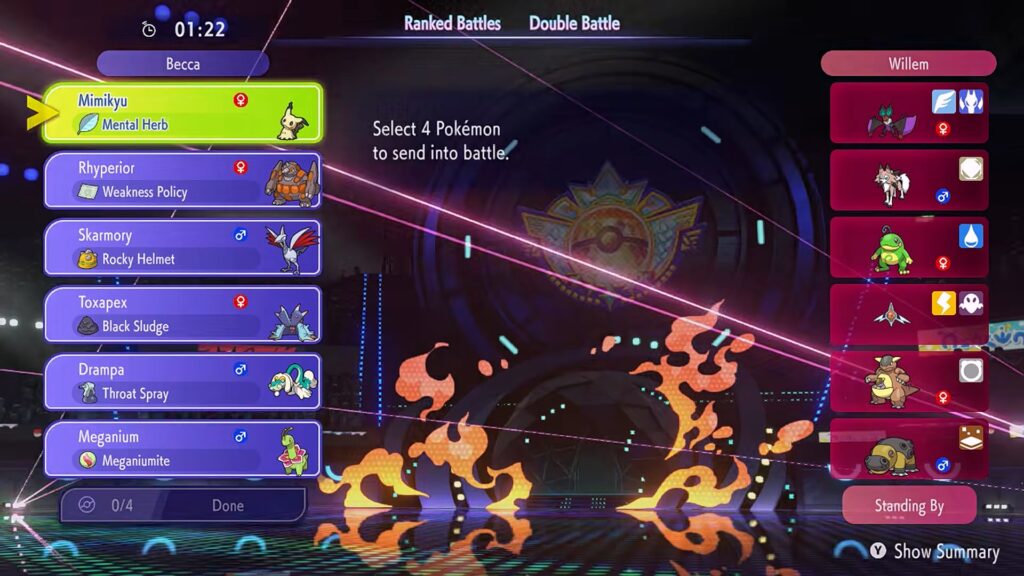
It’s also important to note that I do not mean you should use both Megas in one fight, as you can only Mega Evolve once per match. The game is currently only 3v3 or 4v4, so you’re forced to bench 2-3 of your Pokémon per match.
At the same time, it’s also worth noting that Mega Pokémon aren’t necessarily your main attackers. Sometimes they are there more for support, while other Pokémon take the role of attacker.
Once you figure out which Mega Pokémon you want to focus on, you have to think about what their strengths and weaknesses are. What do they need for setup, if anything, for example?
Sadly, that is what you’ll need to figure out on your own, as all Mega Pokémon have different needs and wants. However, it does help to familiarize yourself with the notable role types!
Notable Pokémon Roles
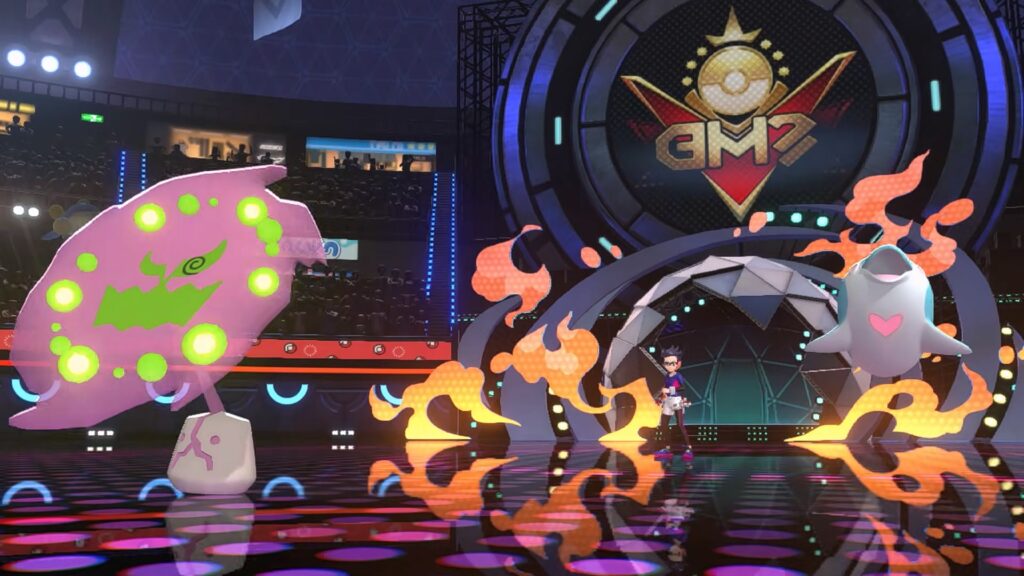
When making a competitive Pokémon team, it’s very important to think carefully about why you’re picking a certain Pokémon. What do they provide for the team?
To help ease that selection process somewhat, you can break down Pokémon into what their role is. Here are some of the most notable roles and key example Pokémon:
- Speed Control – Pokémon that allow you to control turn order with abilities such as Trick Room and Tailwind. Examples: Whimsicott, Talonflame, Farigiraf.
- Redirection Support – These Pokémon are basically tanks, primarily used in doubles. They draw attacks onto themselves to protect your other active Pokémon. Examples: Sinistcha, Cleffable, anyone with Rage Powder.
- Pranksters – Pokémon with the Prankster ability. They have priority when using status moves, allowing them to subdue opponents first. Examples: Whimsicott, Grimmsnarl, Meowstic.
- Intimidators – Pokémon with the Intimidate ability. When put on the field, they lower Attack of all active opponents. Examples: Incineroar, Arcanine, Salamence.
- Stat-Change Deterrers – These Pokémon are primarily used to deter your opponent from lowering your stats, such as with Intimidate. Can be any Pokémon with abilities like Defiant or Competitive, like Kingambit or Milotic.
- Sweepers – Pokémon with high attack and Speed stats. Usually requires setup, which then enables them to shred the enemy team. Examples: Dragonite, Garchomp, Excadrill.
How you form your team using a combination of these roles is largely going to depend on you. It depends on your playstyle, and also on what Pokémon (such as your Megas) you’re revolving around as your primary threat.
There are also more roles than just these, although these are the most general and important. Others have much more niche use cases, which is why I omitted them.
Regardless, knowing these key roles should at least give you an idea of what to do with your team. It’ll also give you an idea of what opponents might be planning when you see their teams!
Adjust Your Team as Necessary
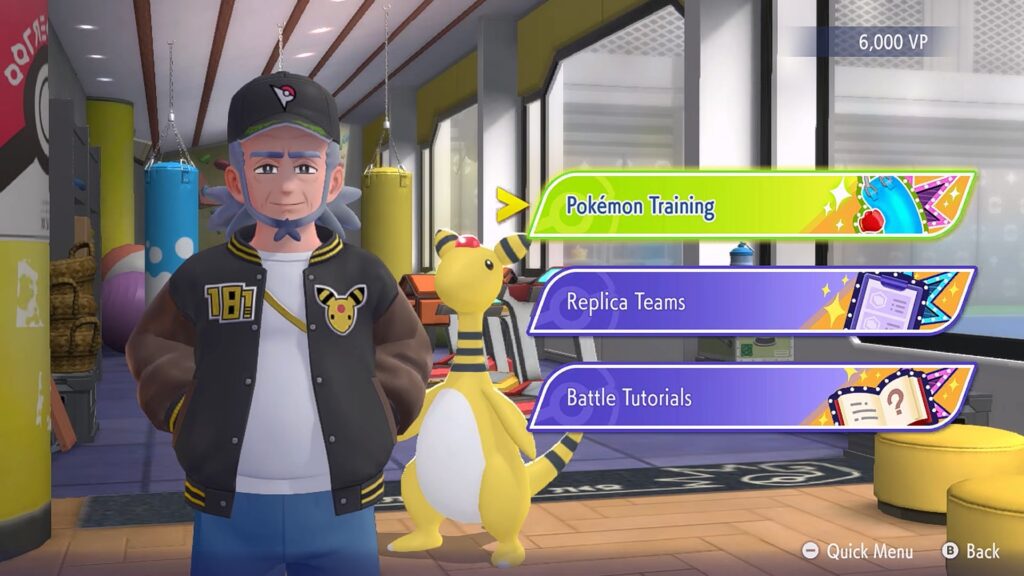
Last but not least is a simple tip: be willing to change things in your team whenever you need to. Be it upgrading your Pokémon’s stats via Training, or straight-up replacing Pokémon with others.
This is also to say that you need to gain knowledge and experience of what works and what doesn’t. Then adjust accordingly.
To that point, the best way to gain that knowledge and experience is just to play the game! Pokémon Champions is a game that’s very reliant on knowledge checks, learning all of the many moves and abilities each Pokémon has access to.
It might be very obvious advice, but it’s worth repeating just in case. You’ll naturally learn how to make a better team as you get more experience with the game. It’s quite that simple!
That’s the end of this team building guide for Pokémon Champions. If you want to see some example teams to help you plan yours, check out our list of 5 easy Pokémon Champions teams.