


 72 articles
One of the first things you’ll need to learn in The Elder Scrolls IV: Oblivion Remastered is where and how to store your items.
You’ll accrue a ridiculous amount of loot in Oblivion, at least if you grab everything you can. However, your character can only carry so much on themselves. You’ll need to find a place to stash things away safely so you can keep hoarding!
In this guide, we’ll tell you everything you need to know about where to find safe containers and how to use them.
How & Where To Store Items | The Elder Scrolls IV: Oblivion Remastered
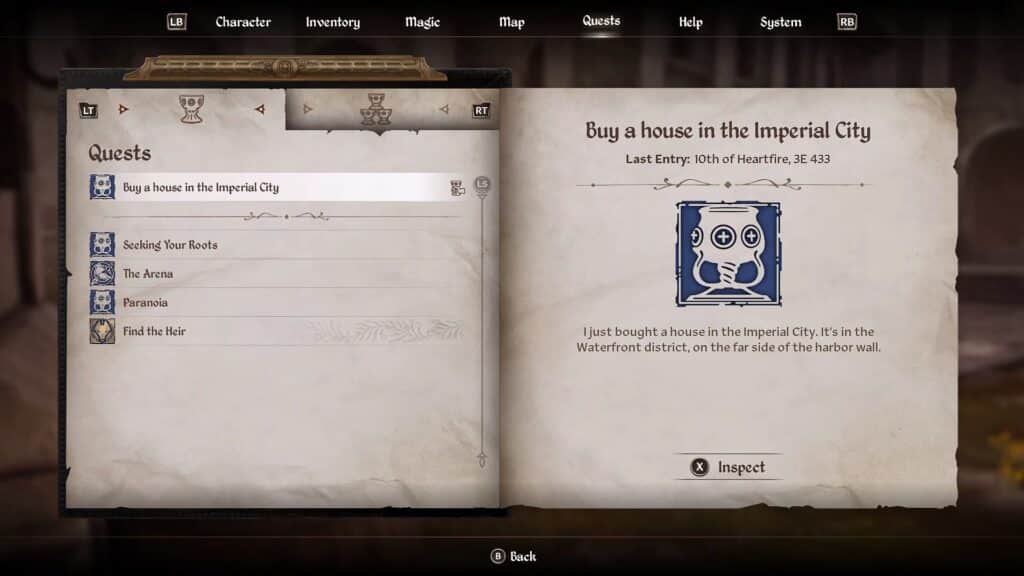
The best way to store your items in Oblivion Remastered is to find “safe” containers. These are containers that NPCs don’t use and that don’t reset, making them good for players to store items.
 Oblivion Remastered – Top 10 Best Short Swords & How to Get ThemMay 30, 2025
 Oblivion Remastered – Restoration Spell Tier List for Master Difficulty ModeMay 30, 2025
 Top 10 Heavy Armor Sets in Oblivion RemasteredSep 6, 2025
The easiest way to get access to safe containers is to get a house or base. Every single house you own has multiple safe containers within. Thankfully, Oblivion Remastered includes all of the DLC from the original release, so you can get bases pretty early on! Here are some bases you can get early and their safe containers:
- Imperial City Waterfront Hovel – All containers are safe except the barrels.
- Frostcrag Spire – All containers in the Bedroom Area and Vault Area are safe.
- Battlehorn Castle – All containers in the Private Quarters are safe. Also, all Sacks in the castle are also safe. As a funny fact, the dead deer in the Kitchen is also a safe container! You’ll require the respective upgrades first, however.
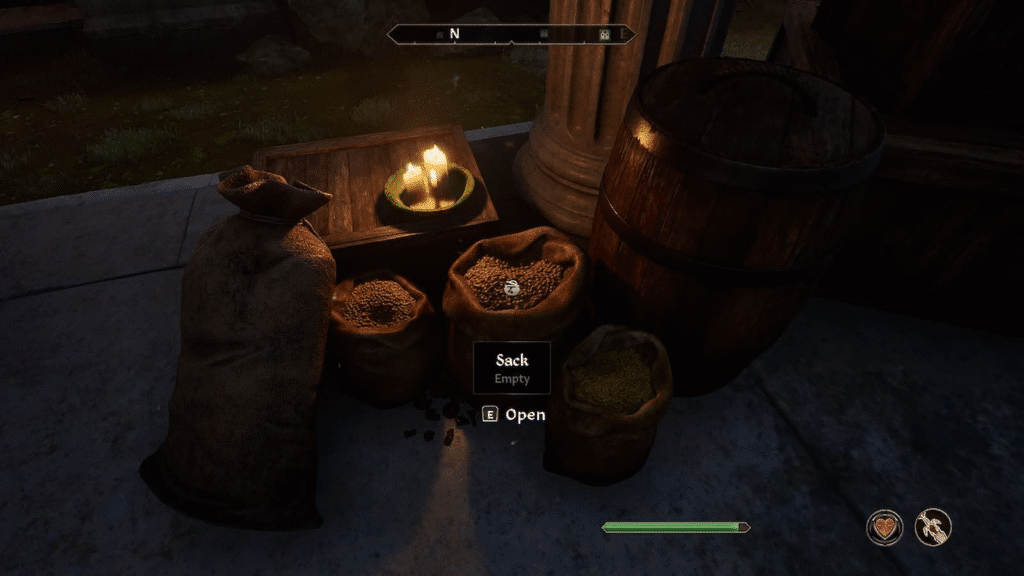
On top of that, there are multiple types of containers that are spread all over and are also safe for you to store items in. Here are some known examples:
- Clams – They are always underwater, with about 7 of them found by the Imperial Prison Sewer’s entrance at the start of the game.
- Jewelry Boxes – One of them is near the start of the game on the shore south of Vilverin.
- Sacks and Torn Sacks – Pretty much all of them are known to be safe. The two known exceptions are the one in Bruma’s Mages Guild and the one in Crestbridge Camp, as they are removed by quests alongside their contents.
- Tree Stump – A classic choice! Found by Rindir’s Staffs in the Imperial City Market.
- Permanent Corpses – Any statically-spawning corpse you find can be used as a safe storage. Dynamic corpses, such as ones from NPCs you killed, aren’t safe.
How to Personally Check if a Container is Safe
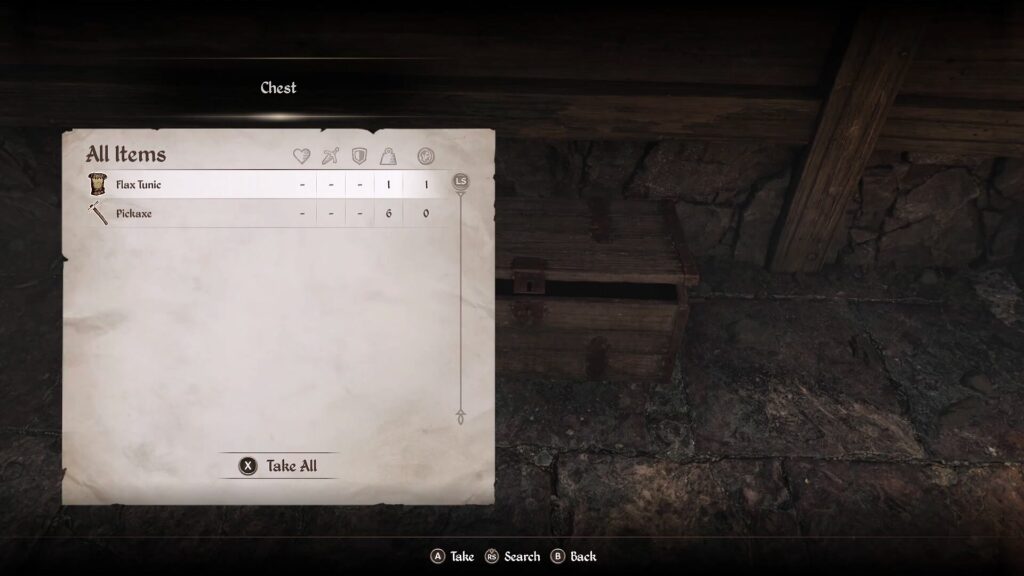
Aside from that, you can actually check which containers are safe yourself, too. If you wish to do that, just follow this simple process:
- First of all, make a save just in case!
- Add a throwaway item to a container. If possible, adding something like a custom Potion with “Safe” in the name would make it easiest to recognize.
- Leave the area where the container is and wait for at least 73 in-game hours.
- Return to the container where you put the item and open it. If your item is still inside, it’s a safe container. If it’s empty or your item got replaced by other things, it’s an unsafe container.
This little trick worked in the original release of Oblivion, and it still seems to hold true in Oblivion Remastered.
With all of that said, you now know everything you need about how and where to store your items in Oblivion Remastered. Make good use of this so that you can stash your loot away safely!





Found another tip?
Share your extra strategy, correction, or question below. Helpful comments can make this guide better for everyone.