


 1 articles
College Football 27 Dynasty Mode is getting one of the biggest overhauls the mode has seen in years. Instead of just winning games, recruiting five-stars, and pretending your program is magically fixed after two seasons, Dynasty now pushes you to actually run the whole program.
You have Athletic Director expectations, a full Dynasty Blueprint system, program budgets, NIL recruiting, roster NIL, support staff, facility upgrades, equipment buffs, a revamped coaching carousel, coach mode, TeamBuilder upgrades, and more.
It sounds overwhelming because it probably is. But for Dynasty sickos, that is also the whole fun of it.
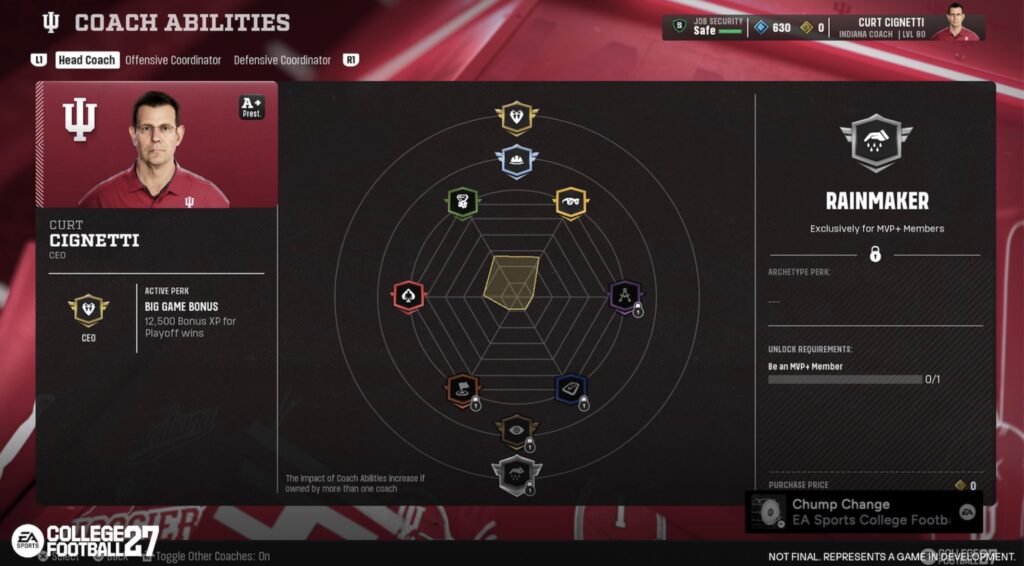
That said, there are still some questionable decisions here. No dynamic pipelines is still a huge L, and locking Rain Maker behind MVP+ is the kind of thing that makes you stare at the screen and go, “I’m not paying $150 for that, bro.”
What Is Dynasty Mode in College Football 27?
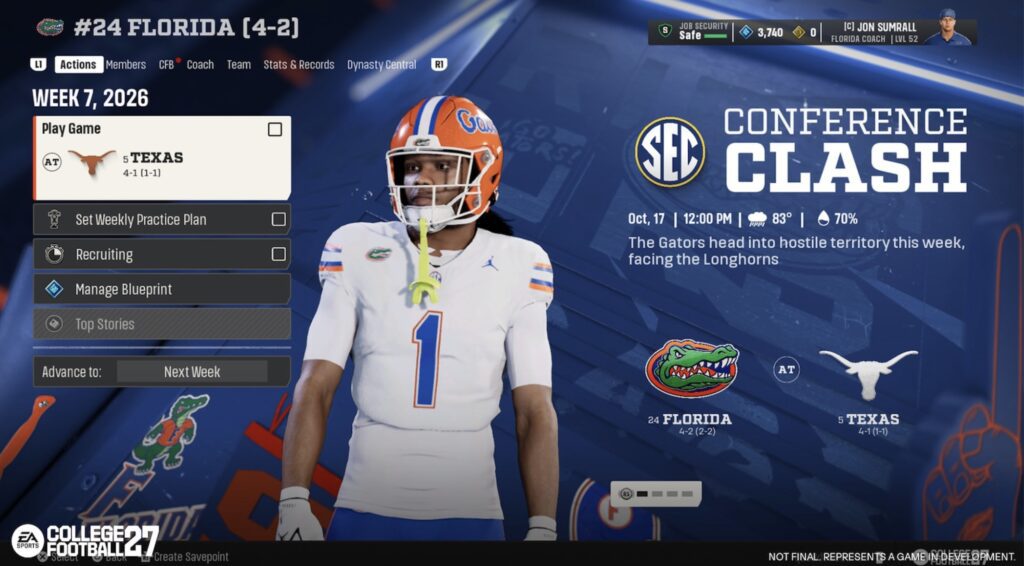
Dynasty Mode is the long-term program-building mode in College Football 27. You pick a school, manage your roster, recruit players, hire staff, upgrade facilities, chase championships, and try not to get fired when your Athletic Director suddenly decides that 8-4 is no longer good enough.
The biggest change this year is that Dynasty is no longer just about winning games. It is about building the program your school expects you to build.
A small school might give you time to grow. A powerhouse might expect conference titles, playoff runs, elite recruiting classes, and rivalry wins immediately. Basically, if you take a blue blood job and start losing rivalry games, you better start polishing that resume.
Athletic Director Expectations Explained
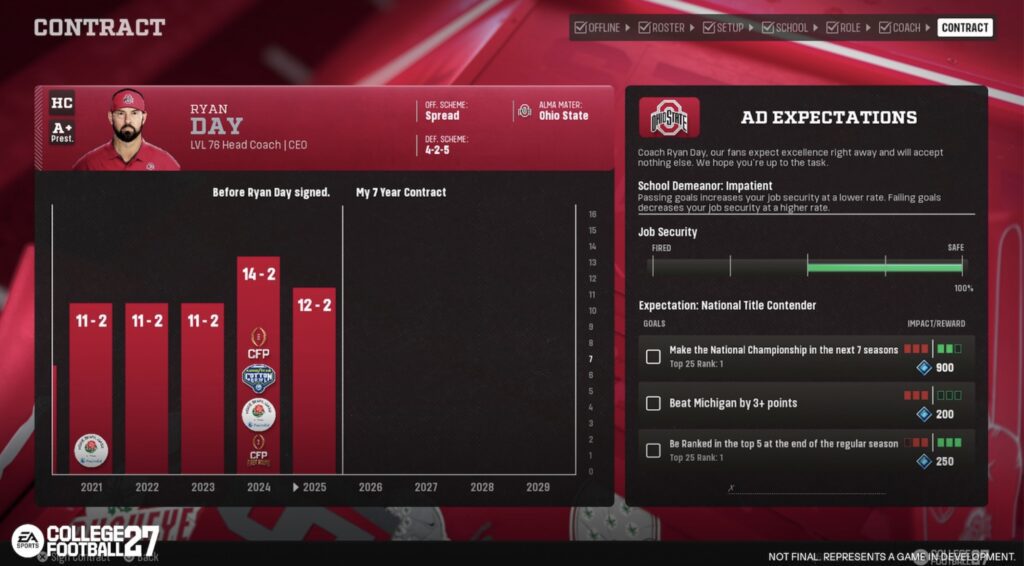
One of the biggest new systems in College Football 27 Dynasty Mode is AD Expectations.
Every school gives you a set of goals when you take the job. These goals can vary depending on the school, its prestige, its culture, and where the program currently stands.
Some examples include:
| Expectation Type | Example |
|---|---|
| Winning goals | Win a championship within a few seasons |
| Recruiting goals | Sign a Top 25 or Top 60 recruiting class |
| Rivalry goals | Beat a major rival |
| Program goals | Keep facilities strong |
| Stat goals | Finish with fewer turnovers |
| Local recruiting goals | Sign more in-state players |
This makes every school feel more specific. Coaching at Ohio State should not feel the same as rebuilding a one-star program. A powerhouse wants results now, while a smaller school may care more about steady growth.
The interesting part is that expectations are dynamic. If you overachieve, the bar can move higher. That small school that only wanted a bowl game might suddenly expect a playoff push after you turn them around.
That is a good pressure loop. Annoying? Probably. But also exactly what Dynasty mode needed.
Dynasty Blueprint Explained
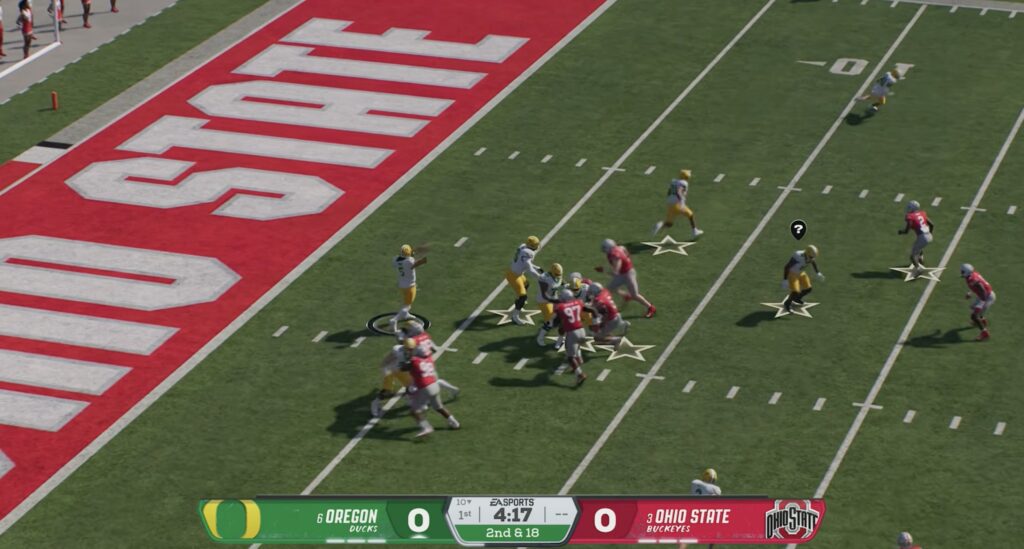
The biggest new feature is Dynasty Blueprint, which is basically your full program management system.
Instead of only worrying about recruiting and games, you now manage a yearly budget using Dynasty Points. These points are used across several parts of your program, including:
| Dynasty Point Use | What It Does |
| Support Staff | Adds bonuses for recruiting, progression, NIL, and fundraising |
| Facilities | Improves long-term player development and recruiting |
| Equipment | Gives short-term buffs like lower injury chance or less wear and tear |
| NIL Recruiting | Helps land high school recruits and transfer players |
| Roster NIL | Helps keep your current players from leaving |
| Coach Hiring | Helps hire coordinators and staff |
Your budget resets every year, and unused points do not carry over. So you cannot just hoard points forever and become college football Jeff Bezos.
Every season, you have to decide what your program actually needs. Are you trying to win now? Are you building long-term? Are you spending big on NIL? Are you upgrading facilities? Are you hiring better staff?
You cannot do everything, and that is what makes the system interesting.
How Do You Earn Dynasty Points?
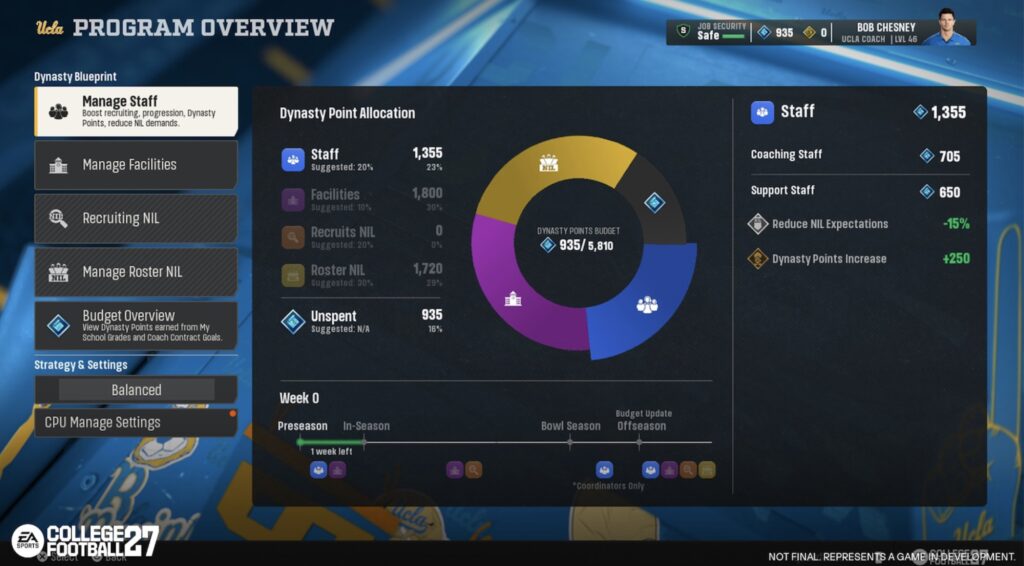
Dynasty Points are tied to your school’s strength and performance.
You can earn more through things like:
| Source | How It Helps |
| Conference prestige | Better conferences can help generate more resources |
| Brand exposure | Bigger programs have more pull |
| Stadium atmosphere | Stronger game-day environments matter |
| Program tradition | Historic programs have more built-in value |
| Bowl games | Postseason success can increase resources |
| Playoff runs | Bigger success means more points |
| National championships | The obvious big-money result |
| AD expectations | Completing goals can reward more points |
This means the gap between schools can be massive. A small school might be working with a limited budget, while a powerhouse could have a ridiculous amount of Dynasty Points to throw around.
In other words, the rich get richer.
Very college football.
Support Staff Explained
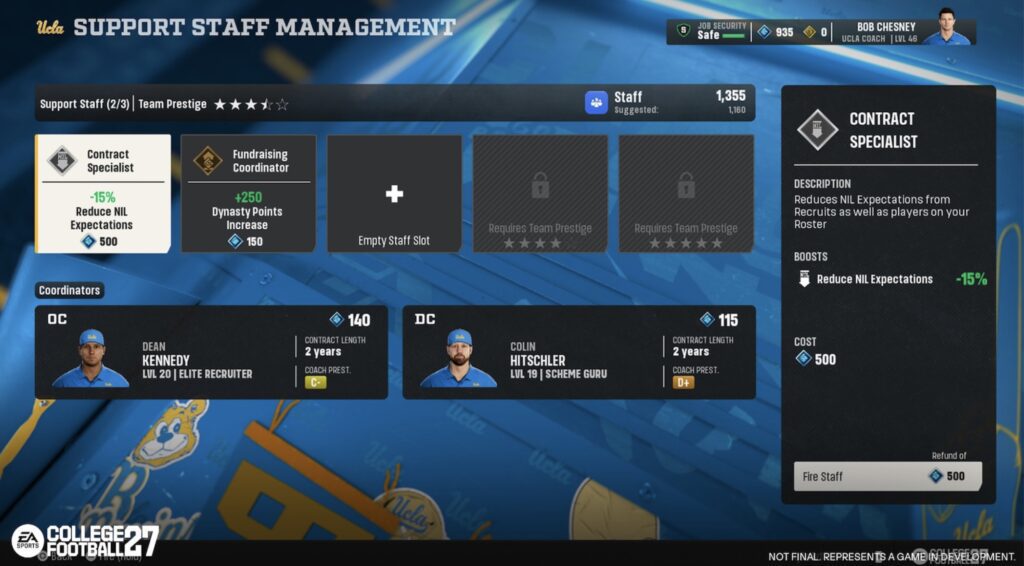
Support Staff is another new layer in Dynasty. Depending on your school, you can hire up to five support staff members in the preseason.
These staff members can give bonuses like:
| Staff Bonus | What It Helps With |
| More recruiting hours | Lets you spend more time on recruits |
| Faster player progression | Helps your roster develop quicker |
| Lower NIL expectations | Makes players easier to afford |
| Fundraising | Can bring in more Dynasty Points later |
| Cheaper staff costs | Helps stretch your budget |
Support staff comes in different tiers, such as bronze, silver, gold, and platinum. Better staff costs more, but they also bring stronger bonuses.
The cool part is that staff can become a strategic lever. If your budget gets tight, you can fire staff and free up points for other areas. It sounds cold, but hey, this is college football. Someone’s getting blamed eventually.
Facilities and Equipment Explained
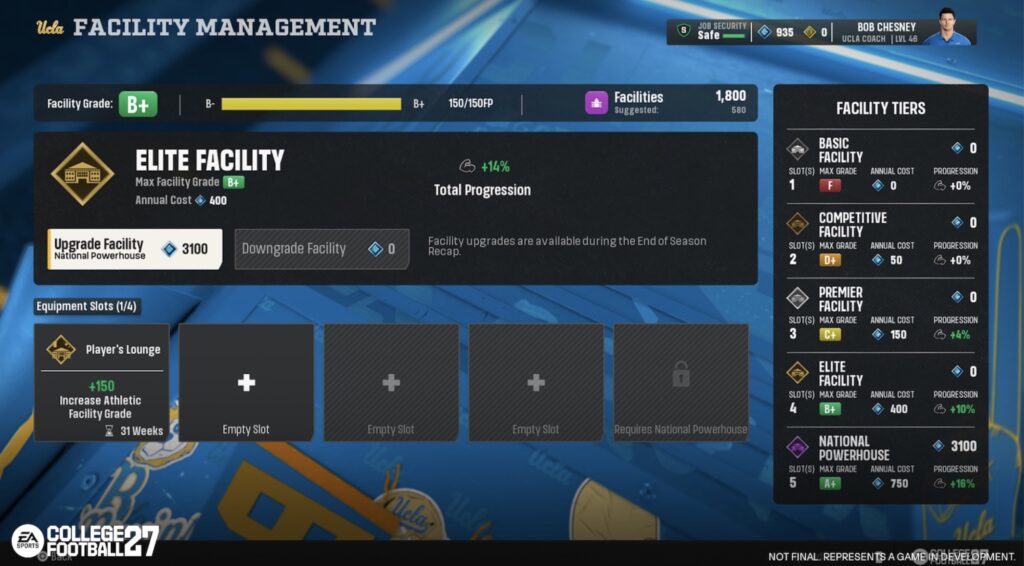
Facilities are your long-term investment. They help with recruiting and player development, especially if you are trying to build a smaller school into a powerhouse.
Facilities have multiple tiers:
| Facility Tier |
| Basic |
| Competitive |
| Premier |
| Elite |
| National Powerhouse |
Higher-tier facilities give better bonuses, including stronger player progression. They also help on the recruiting trail because players care about the environment they are walking into.
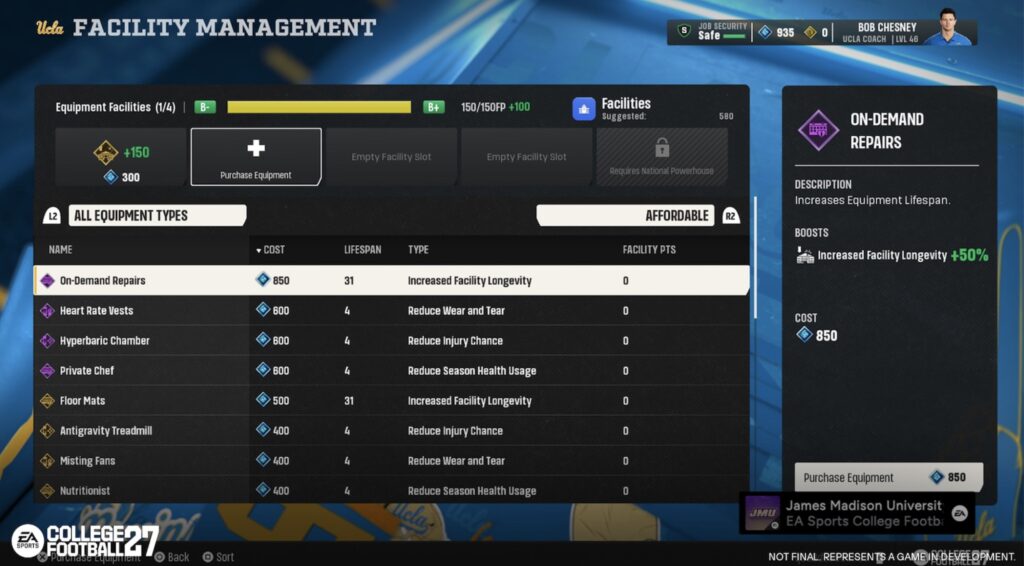
Equipment is different. Equipment gives shorter-term bonuses, like reducing injuries, lowering wear and tear, or improving facility grades for a limited period.
Think of it like this:
Facilities = long-term program building.
Equipment = short-term boost for right now.
Both use the same Dynasty Point budget, so you have to choose carefully. Spending on equipment before a huge rivalry game might help you survive that week, but upgrading facilities might help your whole program for years.
NIL Recruiting Explained
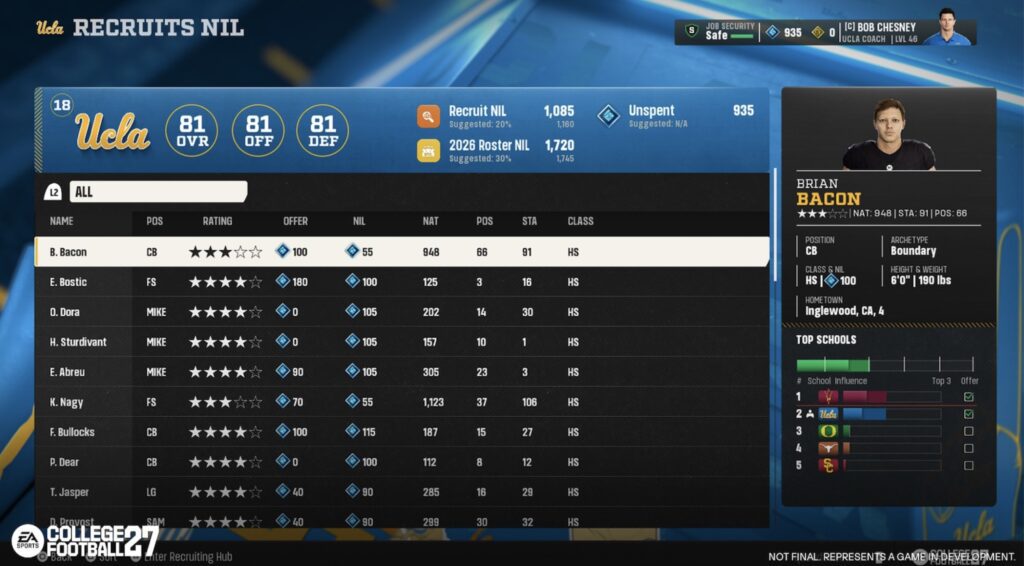
NIL is one of the biggest new systems in College Football 27 Dynasty Mode.
It works in two parts:
| NIL Type | Purpose |
| Recruiting NIL | Used to sign high school recruits and transfers |
| Roster NIL | Used to keep your current players from leaving |
For recruiting, players now have NIL expectations based on things like their star rating, position, deal breakers, school prestige, and how attractive your program is.
A top recruit may ask for fewer NIL points from a powerhouse because that school already sells itself. But if you are a smaller program trying to land that same player, you may need to spend way more to convince him.
That is actually a really good system. It makes recruiting feel more modern and realistic without just turning everything into a boring money spreadsheet.
Also, NIL offers start in Week 0, but scholarships cannot be handed out in Week 0. That means the early recruiting phase is more about finding the right players for your program instead of instantly throwing scholarships at every four-star with working knees.
Roster NIL Explained
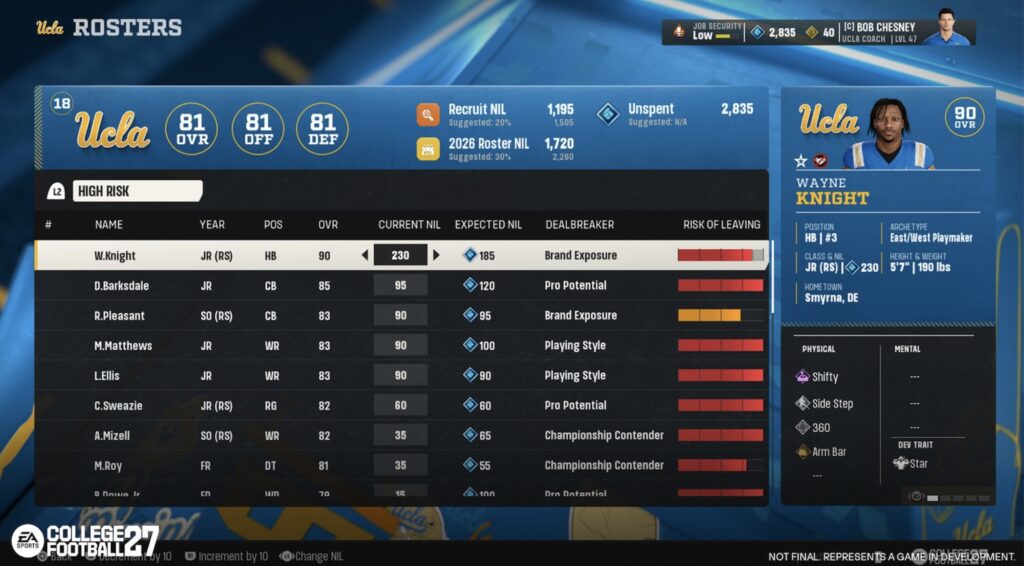
Signing players is only half the problem now. You also have to keep them.
Your current players can have NIL costs based on:
| Factor | Effect |
| Overall rating | Better players cost more |
| Performance | Productive players expect more |
| Awards | Award winners get expensive |
| Draft/transfer risk | NIL can help keep them |
So if your freshman quarterback becomes a star, his NIL expectations can rise fast. That creates a roster squeeze where you have to decide who is worth keeping and who you might have to let walk.
This is where Dynasty gets really interesting. You might land a huge recruiting class, but if those players eat your whole budget, you may not have enough left to keep your current stars.
That is painful, but also very realistic.
Recruit Flipping and Verbal Commits
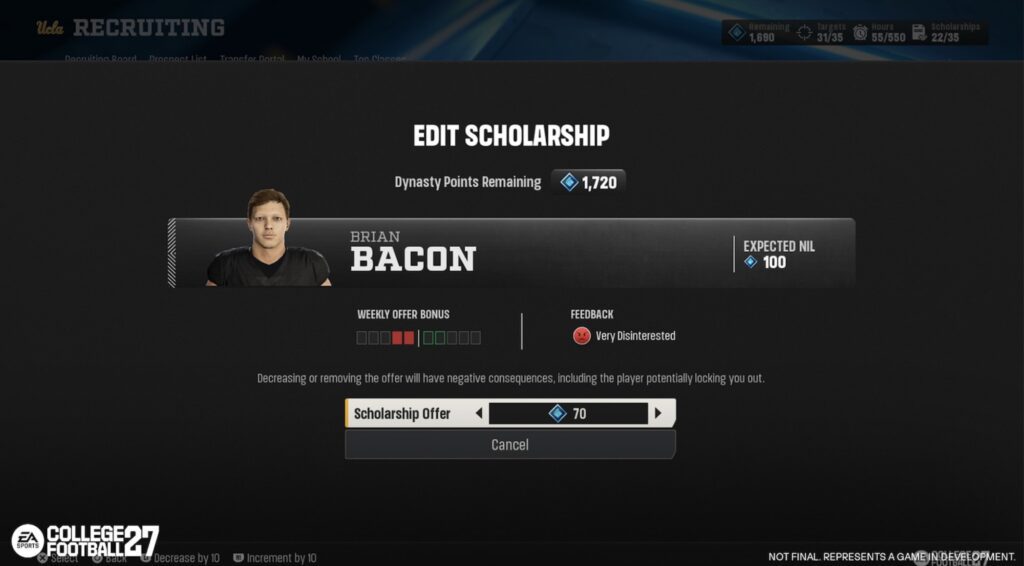
Recruiting is also getting more dangerous because verbal commits are not final.
The recruiting stages now move through:
| Recruiting Stage |
| Open |
| Top 5 |
| Top 3 |
| Verbal Commit |
| Hard Commit |
Once a player verbally commits, you still have to keep recruiting him. If you pull back too early, another school can keep pushing and potentially flip him.
Basically, nothing is safe until the hard commit.
This makes recruiting more stressful, but also more exciting. You cannot just get a verbal commit, remove all your points, and assume the job is done. That player can still leave you looking stupid on signing day.
Coaching Carousel Explained
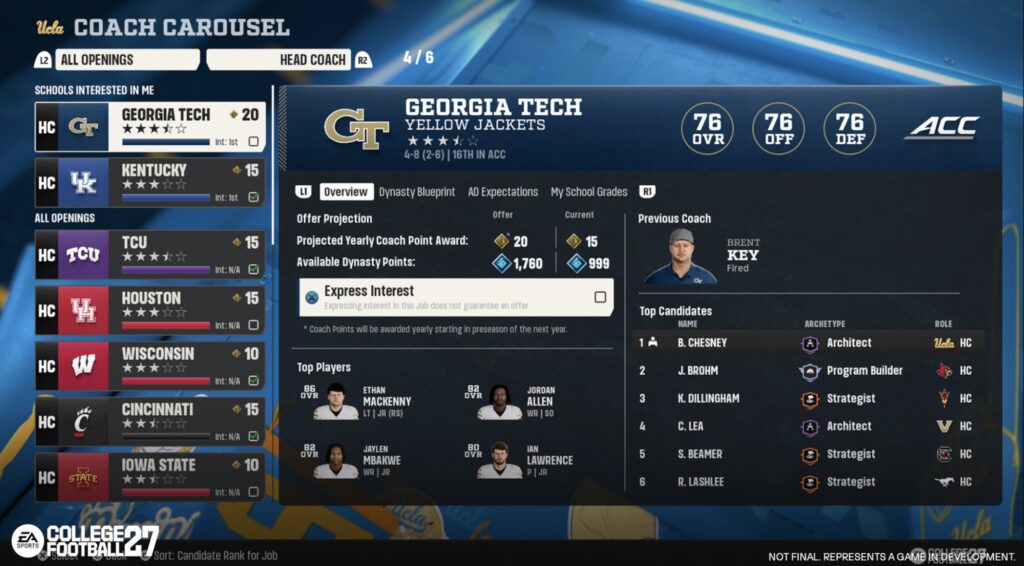
The coaching carousel finally sounds like it works like an actual career mode.
In College Football 27, you can see every job opening in the country and apply for any of them. Each job gives you more information before you commit, including:
| Job Info | Why It Matters |
| Available Dynasty Points | Shows the school’s resources |
| Top roster players | Lets you see what you are inheriting |
| Other candidates | Shows who you are competing against |
| Coach point projection | Helps you judge career growth |
| AD expectations | Shows how demanding the job is |
| Previous blueprint | Shows how the last coach ran the program |
You can express interest in up to six jobs, but there is a catch: expressing interest is binding. If that school picks you, you are taking the job.
So you cannot just flirt with every opening like a desperate LinkedIn user. If you apply everywhere, your coach stability grade can take a hit.
This should make coaching careers much more interesting. You can start small, build your resume, move up as a coordinator, take a lower-tier head coaching job, and eventually land your dream school.
That is the type of long-term Dynasty storytelling people have wanted for years.
Coordinator Hiring Explained
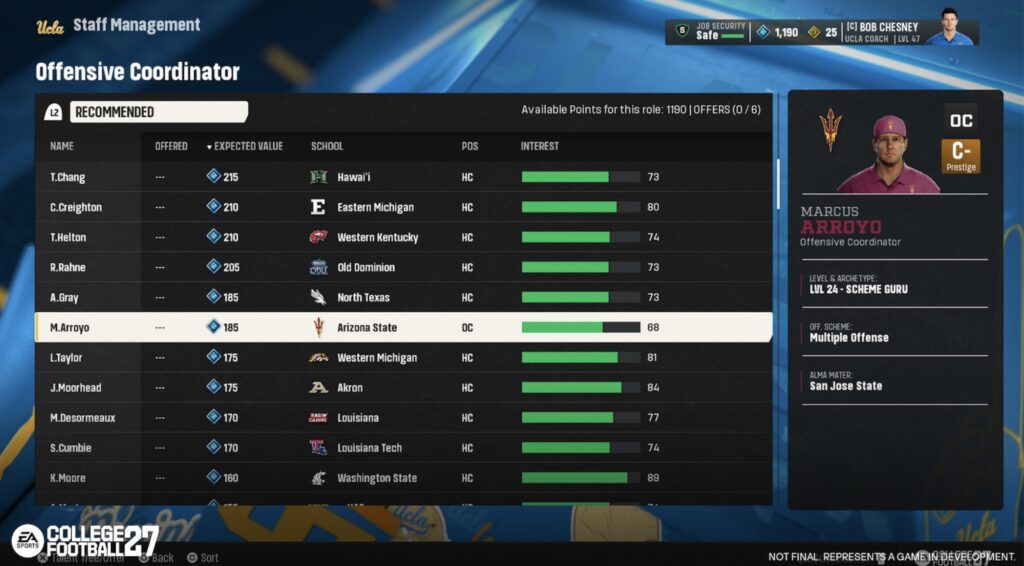
Coordinator hiring also sounds much better this year.
You can look through available coaches, check their interest, see their expected Dynasty Point cost, and view their abilities before making offers.
You can make up to six offers, and coaches will decide based on interest, opportunity, school fit, and how many points you offer.
This makes staff building more strategic. Maybe you are already great at recruiting, so you hire coordinators who help with player development. Or maybe your coach is a developer, so you hire recruiters to balance out your weaknesses.
That is the kind of RPG-style team building Dynasty mode should have.
Rain Maker and MVP+ Controversy
Now for the ugly part.
Rain Maker is a Dynasty-related skill tree tied to NIL and program money. From the available info, it includes abilities that can improve NIL influence, boost Dynasty Point earnings, and help reduce the risk of players leaving.
That sounds useful.
The problem is that Rain Maker is locked behind MVP+, which costs around $150 and is only available for a limited time. If players miss that window, they may not be able to unlock Rain Maker at all later.
That is rough.
Dynasty is not some random side mode for a lot of players. It is the main reason they buy the game. So locking a Dynasty feature behind a limited-time premium bundle feels bad, even if the skill tree is not technically required to enjoy the mode.
The positive side is that Rain Maker can apparently be disabled in online leagues, which helps keep things fair. But the bigger problem is the precedent.
If EA is willing to lock one Dynasty feature behind a countdown paywall, what happens in the next game? And the one after that?
That is the part people should be worried about.
No Dynamic Pipelines Is Still a Big Miss
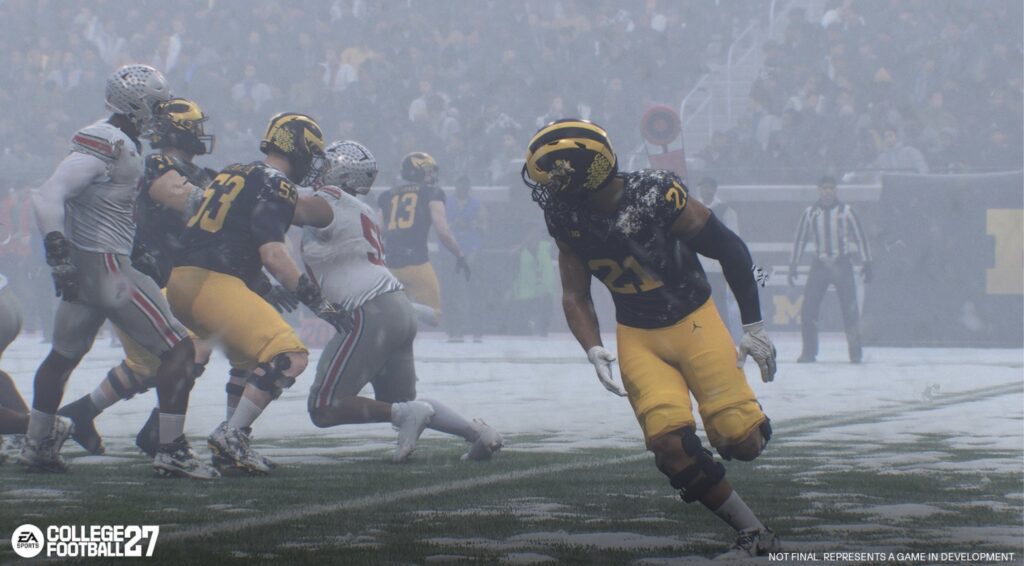
For all the depth being added, the lack of dynamic pipelines still hurts.
Dynasty Mode is supposed to be about building a program over years. If you spend a decade recruiting Texas, Florida, Georgia, or California heavily, your school should naturally start building stronger ties there over time.
That would make rebuilds feel more personal and more organic.
Instead, pipelines still seem more limited than they should be. With how much effort is going into NIL, staff, facilities, and program identity, not having dynamic pipelines feels like one missing piece in an otherwise stacked mode.
It is not enough to ruin Dynasty, but yeah, it is still a huge L.
TeamBuilder and Stadium Creator
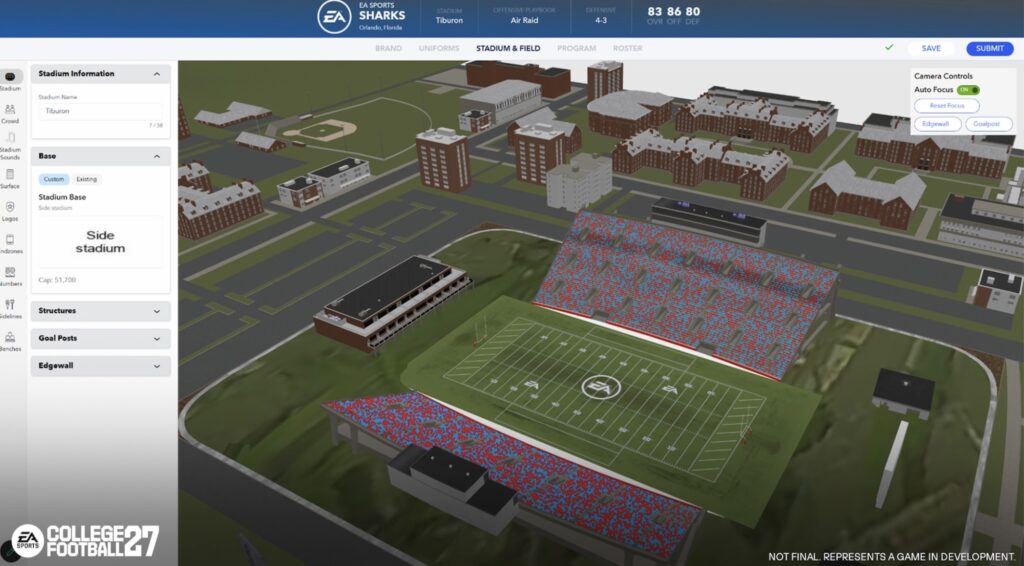
TeamBuilder is also getting a big upgrade, especially with the new stadium creator.
It is not a full free-build stadium creator like MLB The Show, but it lets you choose from base stadiums and customize parts like end zone buildings, jumbotrons, walls, tunnel tarps, logos, and the surrounding environment.
The best part is that you can upgrade your stadium over time in Dynasty. So if you start as a tiny created school, you can slowly grow into a bigger stadium as your program becomes more successful.
That is great for storytelling.
You can also update your TeamBuilder team in the offseason, including jerseys, fields, and stadiums. So your created school can actually evolve over time instead of being stuck with the same look forever.
Coach Mode, Wear and Tear, and League History
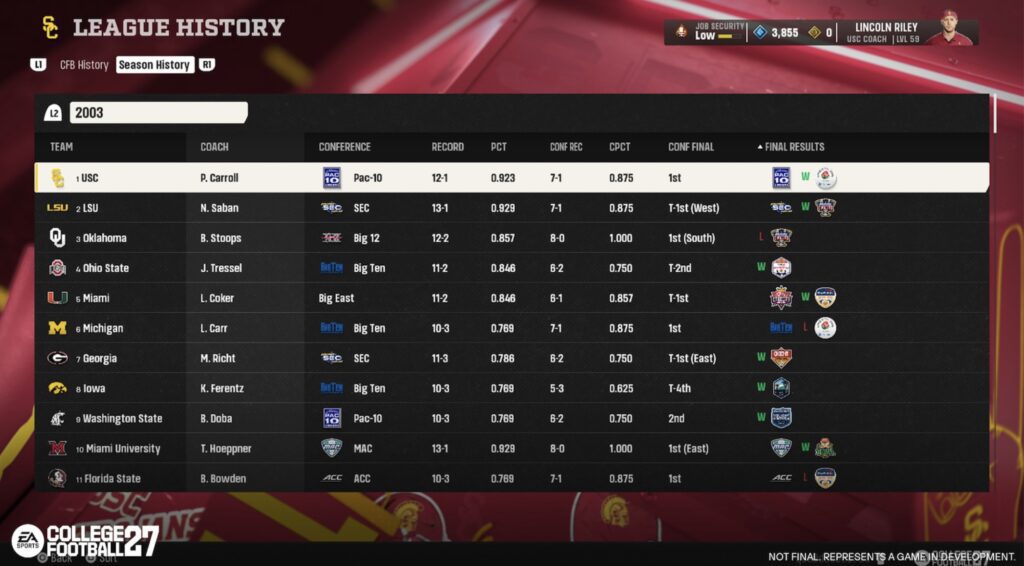
College Football 27 also adds or improves several smaller Dynasty features.
| Feature | What It Adds |
| Coach Mode | Lets you call plays and manage the game more like a coach |
| Wear and Tear Management | Makes health and practice decisions matter |
| League History | Tracks records, rankings, coaches, and team history |
| Historical Stats | Adds long-term tracking for teams and programs |
| Crowd Themes | Lets you choose different game-day crowd looks |
| Dynamic Weather | Weather can affect games more naturally |
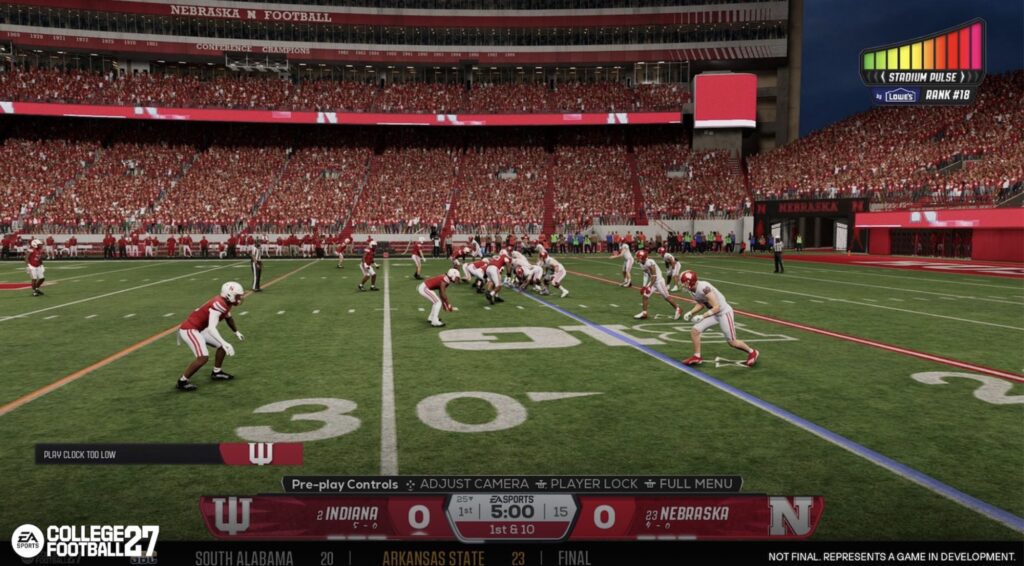
Coach Mode especially sounds better this year. Once the play clock hits 15 seconds, you can no longer communicate with your team, meaning no hot routes, no audibles, and no last-second changes. At that point, your players have to execute.
That is a cool touch for players who want a more hands-off coaching experience.
Is College Football 27 Dynasty Mode Too Complicated?
Honestly, probably.
But that is not necessarily bad.
Dynasty should be complicated and in-depth. That is the fun of it. The whole point is to make every season feel different and force players to make actual choices.
You should not be able to max out facilities, sign every recruit, keep every star player, hire perfect staff, and dominate forever without consequences.
The good news is that College Football 27 includes auto options. If you do not want to manage every single thing, you can let the CPU handle parts of the Dynasty Blueprint, recruiting, or staff management.
The hardcore players can micromanage everything. Casual players can automate the parts they do not care about.
That is the right approach.




Found another tip?
Share your extra strategy, correction, or question below. Helpful comments can make this guide better for everyone.