

 5 articles
In most 4x games like Distant Worlds 2, the economy is the most important thing, as the entirety of your empire is dependent on it. However, the economic system works completely differently than in any other game. IT the player has less control over most operations. Yet, it is still mostly dependent on your actions – so here’s what you should know about it.
How Economy Works in Distant Worlds 2
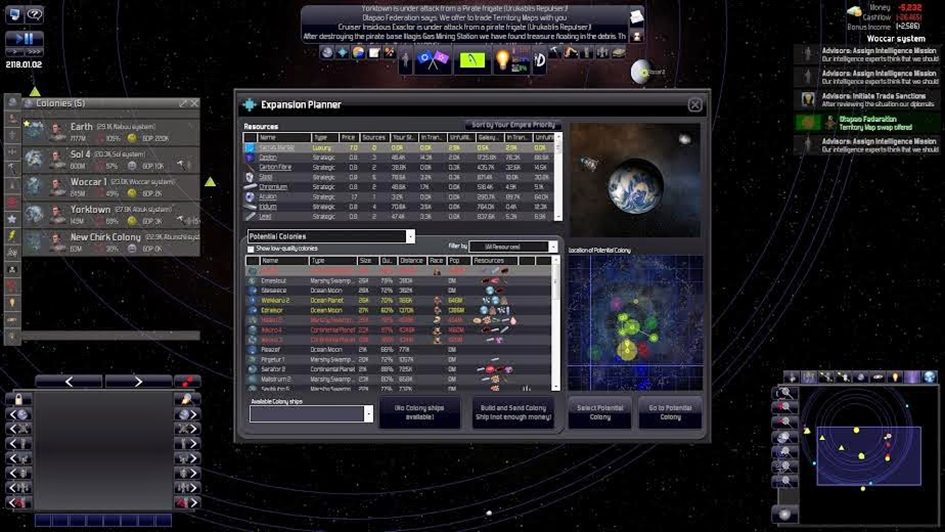
The economy in Distant Worlds 2 is divided into two parts. The Private economy works on itself and you have almost no control over it – though it does benefit you, with the right taxation. On the other end of the spectrum is the state economy, which you control directly.
State Economy
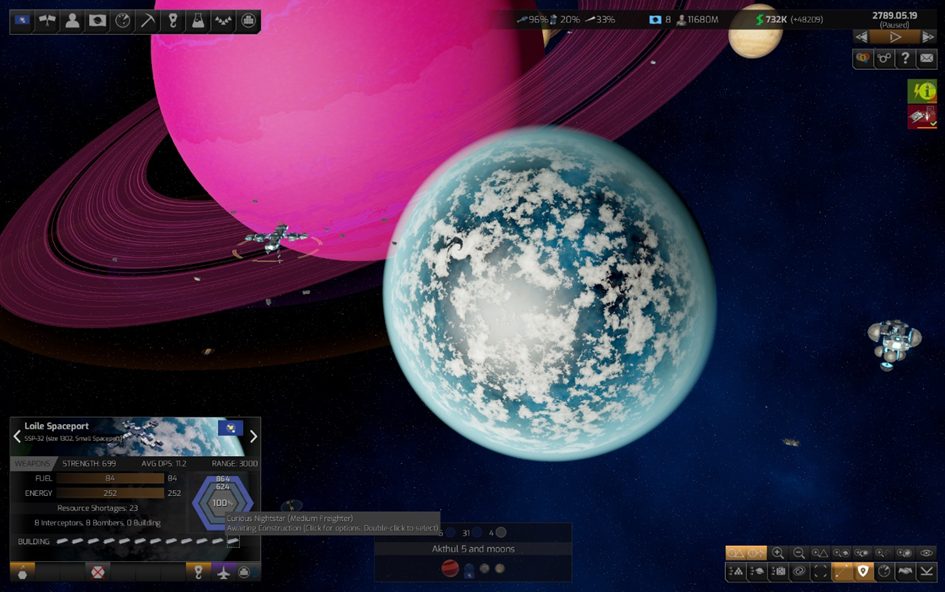
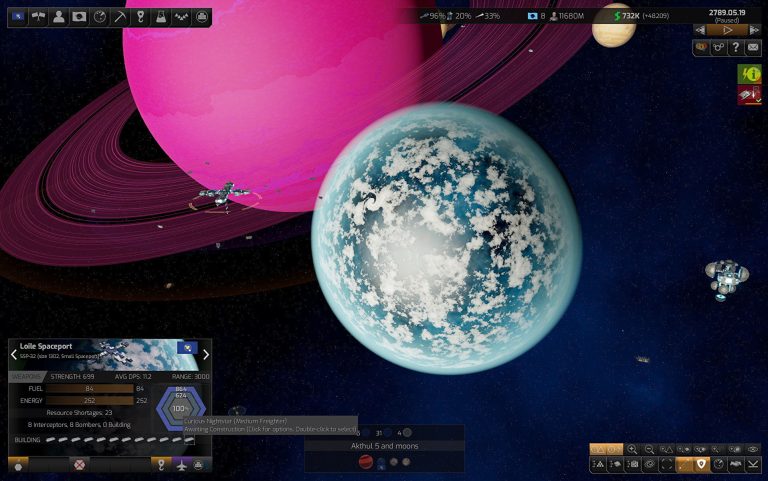
In general, State Economy covers everything regarding space exploration. From early colonization of newfound systems, overseeing colony and military ships, you’re empire’s space, research and monitoring stations, troops, and spaceports.
Your first task is to use an exploration ship to find new worlds, where you can find resources needed to further grow your civilization. You can use your existent resources to build colonies in those worlds, which will hand over the control over the resource management to the private economy.
 Distant Worlds 2: Beginner’s GuideMar 14, 2022
 Distant Worlds 2: Diplomacy GuideMar 10, 2022
 Distant Worlds 2: Everything to Know About War and ConflictMar 10, 2022
Your job will be to use soldiers and military ships to protect the colony and it’s transport routes, and later, distribute what you’ve gained through your empire, to keep each colony happy, spend the money you’ve earned on research and of course, build more ships and structures.
Private Economy
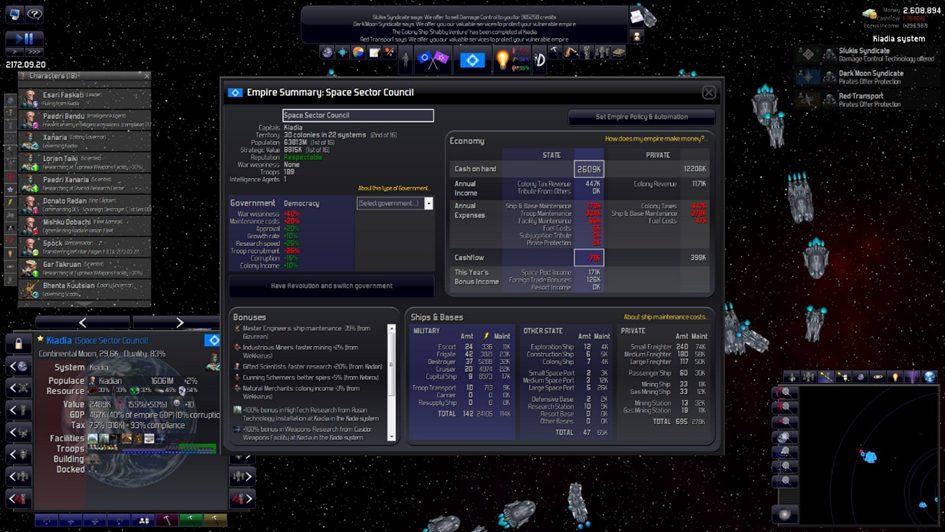
Most of the Private Economy is self-sufficient (or at least, it should be). It covers mining ships, mining stations, freighters, passenger ships, and resort bases, pays for its own fuel and construction, and generates revenue.
Most of its revenue is kept, but a portion of it is used to pay taxes. This means it goes to your pocket. You can set how high are the taxes each colony pays, which will have an effect on their happiness.
In most cases, you’d like to keep the taxes low when you have only a few ways to make your citizens happy. But if you increase them once, for example, you’ll gain access to a lot of luxury resources. And speaking of resources…
Types of Resources
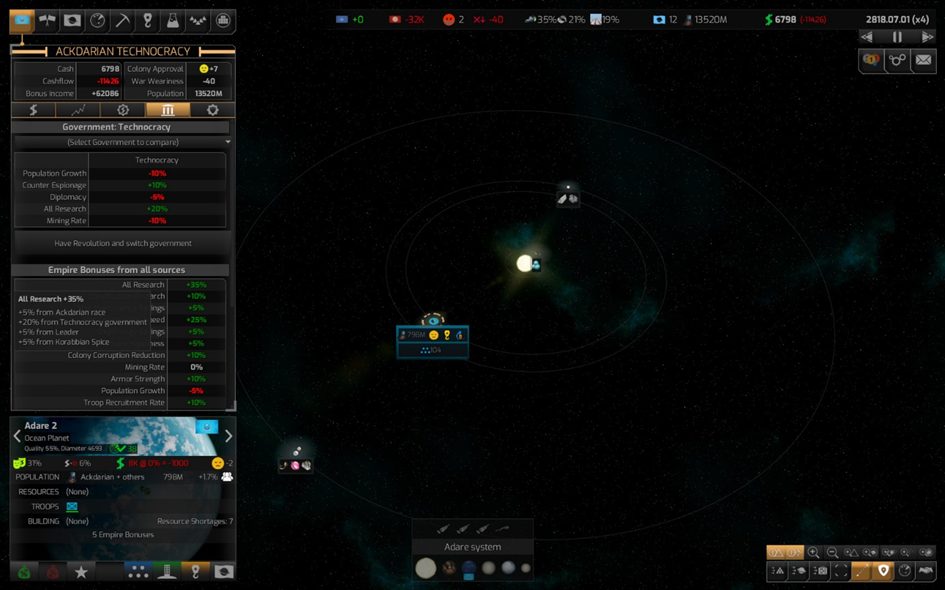
Although there are a lot of resources in Distant Worlds 2. Mainly they can all be categorized into one of three types: Fuel, Construction Resources and Luxury Resources.
Fuel is required for space reactors to work and for each of your ships to travel between different star systems. It’s the most basic and the most important resource.
Construction Resources have two purposes. A set amount of them is needed for each colony to grow, but they’re also needed to build and upgrade ships, facilities, and stations.
Lastly, there are Luxury Resources, which can be used to make your people happy and allow the colonies to develop further. Some are also unique to specific worlds and grant unique bonuses.
Now, once you’ll get a hang of this, your economy should become self-sustainable. This might cause you to forget the basics over time. But keep them in mind, as the game’s economy might quickly crumble during conflict or because of bad diplomatic deals. This will force you to rebuild it from scratch.
ALSO READ: Distant Worlds 2: Everything to Know About War and Conflict